

☁️ Cloud migration: A catalyst for a creative revolution in media
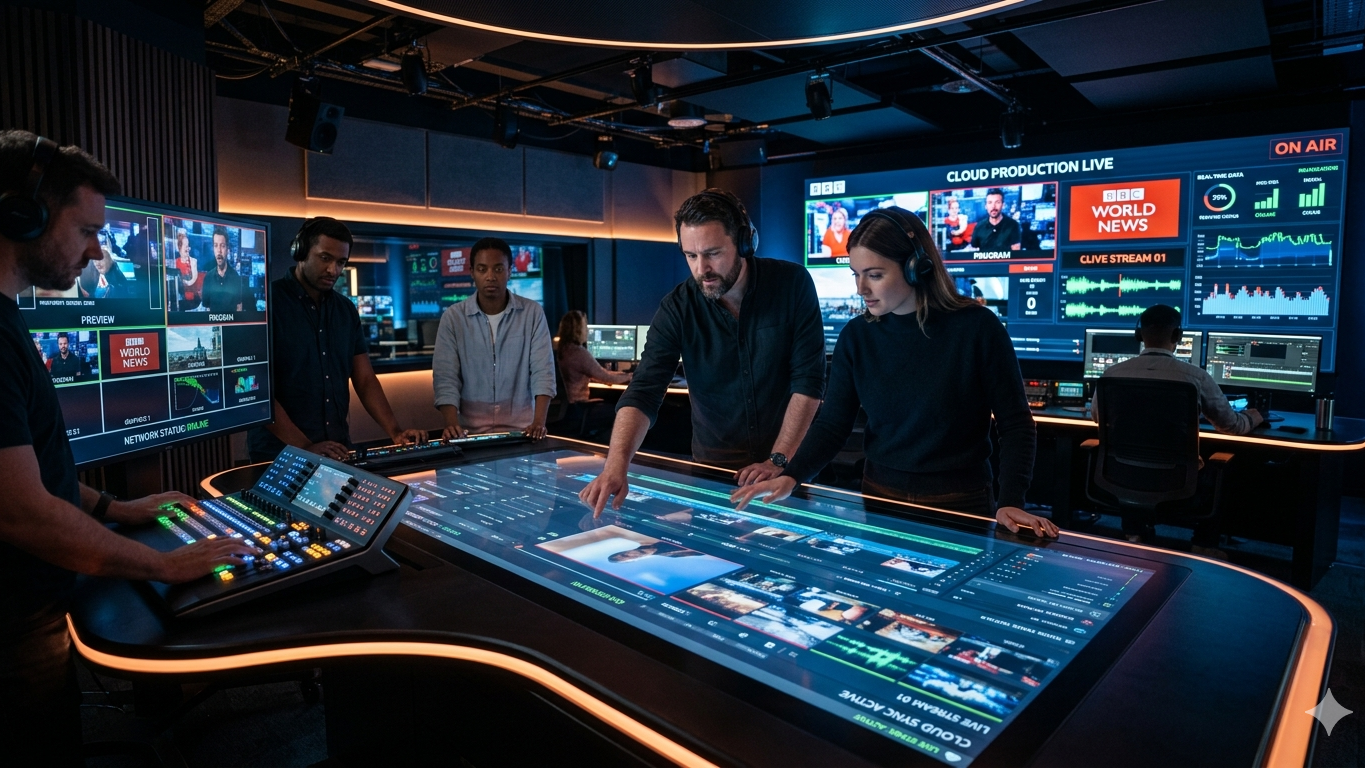
For today’s broadcasters and streaming platforms, moving to the cloud has evolved beyond a mere technical upgrade. Participants at the NAB Show have concluded that the era of "lift and shift"—the simple mirroring of local infrastructure in a virtual environment—is officially over.
Today, migration is viewed as a fundamental operational and creative transformation.
Successful organizations recognize that the cloud represents, above all, a shift in corporate culture. As Sami Aziz, founder of Pale Blue Originals, points out:
“Migration is not a technical decision; it’s a creative one. It must be approached like film production: with a clear roadmap, staff training, and standardized tools.”
The Cloud as an AI Foundation
Most AI tools—from automated subtitling to content tagging—are cloud-native. Consequently, cloud infrastructure is becoming the essential foundation for implementing neural networks that optimize content delivery and minimize errors. To ensure resilience, global media giants are adopting multi-cloud strategies, distributing data across multiple providers and geographic regions.
Expert Advice for Successful Migration:
- Synchronize Teams: Creative and technical departments must work in lockstep. Content creators are best positioned to identify which workflows are causing bottlenecks.
- Avoid Duplication: Do not simply port legacy methods into the cloud; instead, seek out new, agile software-defined solutions.
- Embrace Hybrid Models: Leverage edge computing to reduce latency and enhance streaming quality.
- Security First: Clearly define data ownership in contracts and protect content at every stage of the “cloud pipeline.”
Despite the rapid evolution of technology, human judgment remains a vital element of the workflow. Those who have already begun their migration journey will be able to integrate AI incrementally. However, experts emphasize that technological advancement is currently outpacing the establishment of ethical and editorial standards, necessitating a serious industry-wide dialogue.
Source: TVTechnology