


🧠 Hollywood Gains a Strategic Weapon in the War on Deepfakes
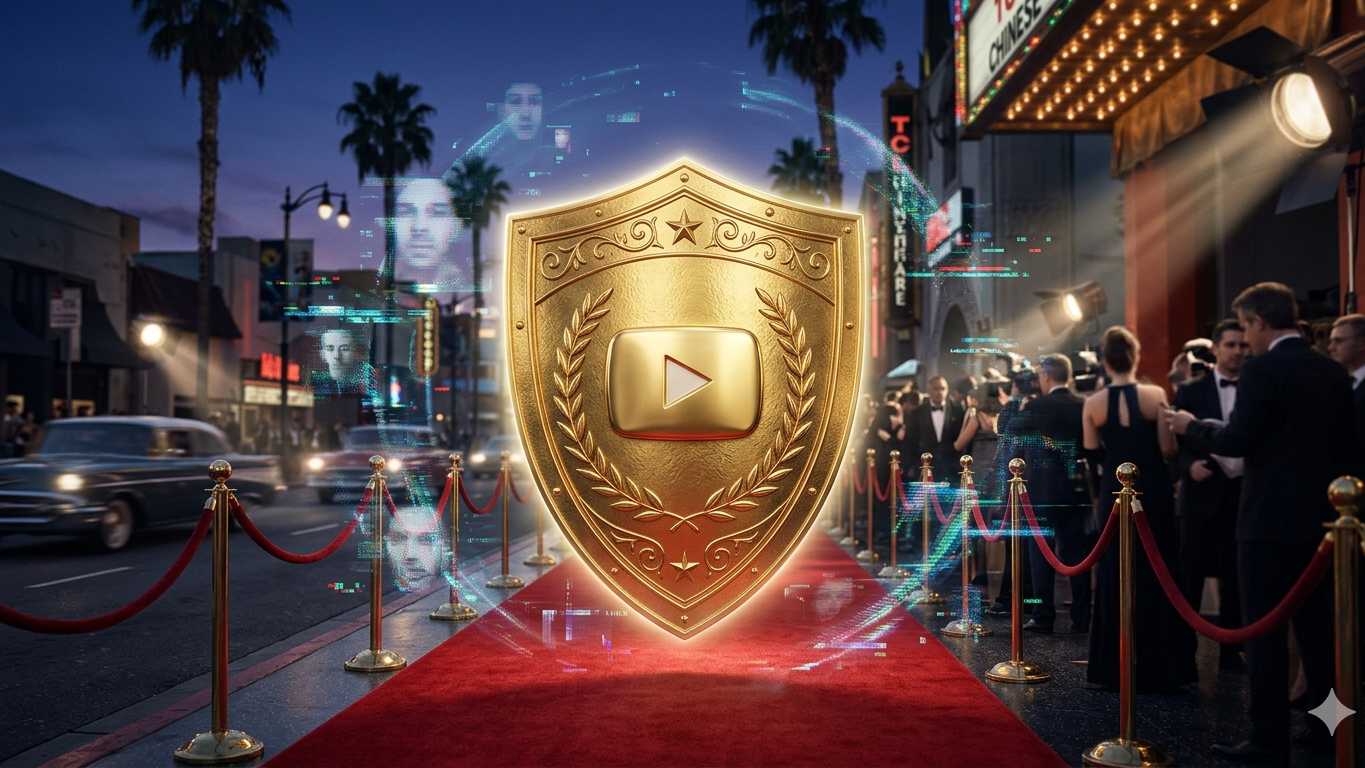
YouTube has officially opened access to its proprietary deepfake detection system for a wide range of public figures. Actors, musicians, athletes, and politicians can now identify and remove videos that illicitly use their likeness or voice—even if they do not maintain an official channel on the platform.
Protecting “Digital Real Estate”
Developed over more than three years, the tool operates similarly to the Content ID system used for copyright protection. A celebrity or their representatives upload facial and vocal samples to the system, which then scans the platform and notifies the owner of any digital replicas found.
“In this industry, your face and body are your real estate. YouTube is doing the right thing by providing these tools for free, allowing talent to protect their primary assets,” says Jason Newman, partner at Untitled Entertainment.
Key capabilities of the system include:
- Monitoring: Continuous scanning for realistic AI-generated deepfakes across the entire platform.
- Control: The ability to issue takedown requests for content that causes reputational damage or competes with the artist’s original work.
- Flexibility: The system incorporates exceptions for parody and satire, provided they adhere to community guidelines.
A Point of No Return for the Industry
The demand for such a tool became undeniable following a series of high-profile incidents. Last year, OpenAI’s Sora model flooded the web with images of famous characters, and this past February, a viral video featuring a battle between Brad Pitt and Tom Cruise—created by the Chinese service Seedance 2.0—served as a massive “wake-up call” for studio legal departments.
YouTube’s Chief Business Officer, Mary Ellen Coe, compares the new functionality to fire insurance: “You don’t think about it until disaster strikes. We are giving rights holders control and peace of mind.”
Monetization Over Removal
Despite the protective nature of the initiative, not everyone in Hollywood favors a total ban. Pilot tests with agencies like CAA and UTA revealed that stars often request the removal of only a small fraction of identified content. Many fan-made videos are viewed as valuable tools for audience engagement.
In the long term, YouTube is exploring the possibility of monetizing deepfakes. This would allow celebrities to keep high-quality fan creations online while receiving a share of the ad revenue—mirroring the current model for copyrighted music.
Source: Hollywood Reporter