


👳🏽♂️ AI Rewrites the Script for Indian Cinema
Imagine the finale of Titanic: Jack doesn’t sink into the abyss. Instead, he miraculously survives, climbs into a lifeboat, and sails into the sunset with Rose. Today, AI technology can generate such an alternative ending in a matter of hours.
But how would Hollywood react if Disney unilaterally altered a masterpiece against the protests of James Cameron and Leonardo DiCaprio?
What seems unthinkable in the West has already become reality in India, which has transformed into a testing ground for the world’s boldest and most controversial AI experiments.
Overturning a Hero’s Death via Neural Networks
At the center of the storm is the 2013 hit drama Raanjhanaa. In the original version, the protagonist—played by superstar Dhanush—meets a tragic end. However, in August of last year, Eros International released a new version of the film where the finale was completely overhauled using AI: the hero now survives, smiling from a hospital bed.
Director Anand L. Rai and actor Dhanush issued a scathing condemnation:
“This alternative ending has stripped the film of its soul. AI manipulation threatens narrative integrity and the legacy of cinema,” Dhanush stated.
Eros International fired back, arguing that under Indian law, as the “sole financiers and rights holders,” they are the absolute authors and are entitled to modify the content as they see fit.
Why the East Doesn’t Fear AI
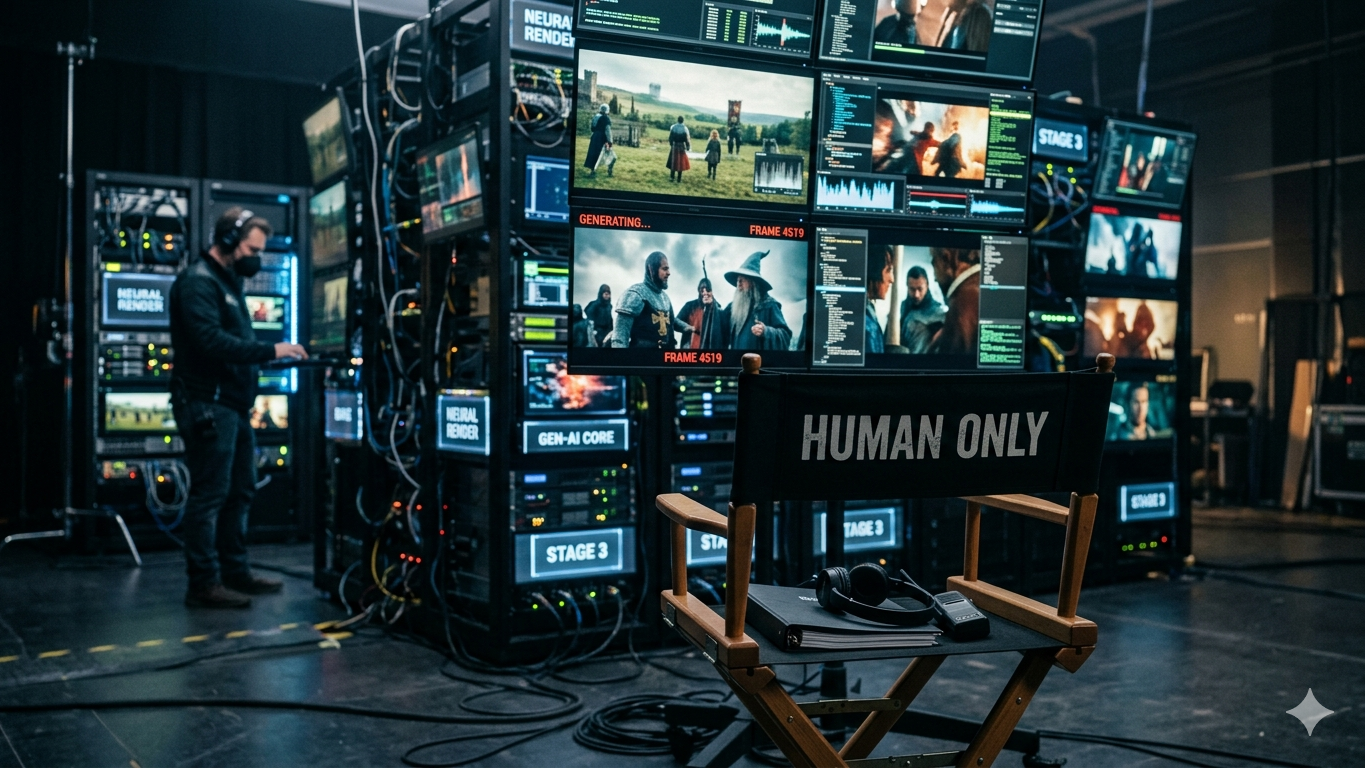
While Hollywood was rocked by the WGA and SAG-AFTRA strikes—fighting tooth and nail for AI restrictions—the Indian industry has embraced the technology with open arms.
The reasons are straightforward:
- Absence of Strong Unions: India lacks organizations capable of dictating terms to studios regarding the use of neural networks.
- Economic Factors: AI allows for the creation of massive epics for $50 million instead of $200 million—a critical advantage in a market where ticket prices are capped.
- Technological Optimism: Young creators view AI as a gateway into the industry that doesn’t require astronomical budgets.
From De-Aging to “Virtual Dubbing”: Neural Networks on Set
India has already integrated AI into every stage of production:
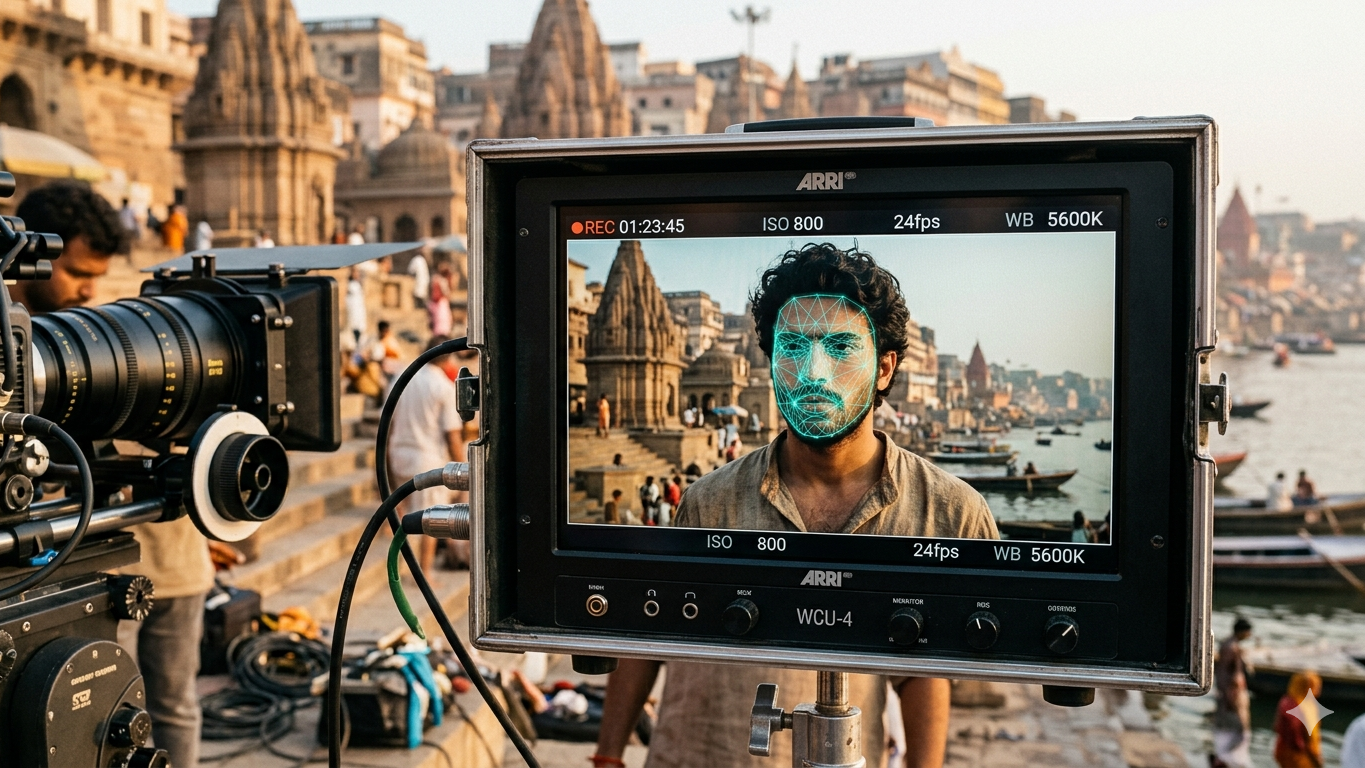
- De-aging Superstars: For the film Rekhachithram, an AI clone of 74-year-old Mammootty was used, recreating his youthful appearance from thousands of archival photos. Audiences embraced the “digital actor” with enthusiasm, turning the film into a massive hit.
- Neural Dubbing: In the blockbuster War 2, NeuralGarage technology adjusted the actors’ facial expressions so their lip movements perfectly matched speech in multiple Indian languages (Hindi, Telugu, Tamil).
- “DIY” AI Features: Director Rahi Anil Barve shot an 80-minute film, Mann Pisahach, for a mere $360, using an iPhone and neural networks to generate sets and costumes.
The Dark Side of Progress
Not everyone shares this optimism. Approximately 20,000 dubbing artists in India are facing an existential threat. Corporations like Reliance (JioHotstar) are aggressively implementing voice cloning and lip-syncing technologies to replace live performers.
Director Anurag Kashyap remains one of the few vocal skeptics: “AI comes at too high a cost, both human and creative. You don’t need all these crutches to make a movie—a camera is enough. That is far more inspiring.”
What’s Next?
The Indian experience is a preview of the world’s future. When technology can erase language barriers and alter plots to suit audience demands, the line between “art” and “product” finally dissolves. While lawyers in Delhi and Mumbai scramble to update copyright laws, neural networks continue to reshape film history in real time.
Source: Hollywood Reporter
World news