


⚖️ Warner Bros. demands halt to pirate screenings in Russia
The Russian film market is facing a new form of pressure from Hollywood majors. Warner Bros. Entertainment Inc. has launched a systematic campaign of dispatching official cease-and-desist notices to Russian cinemas, demanding an immediate halt to the unauthorized screenings of its blockbusters.
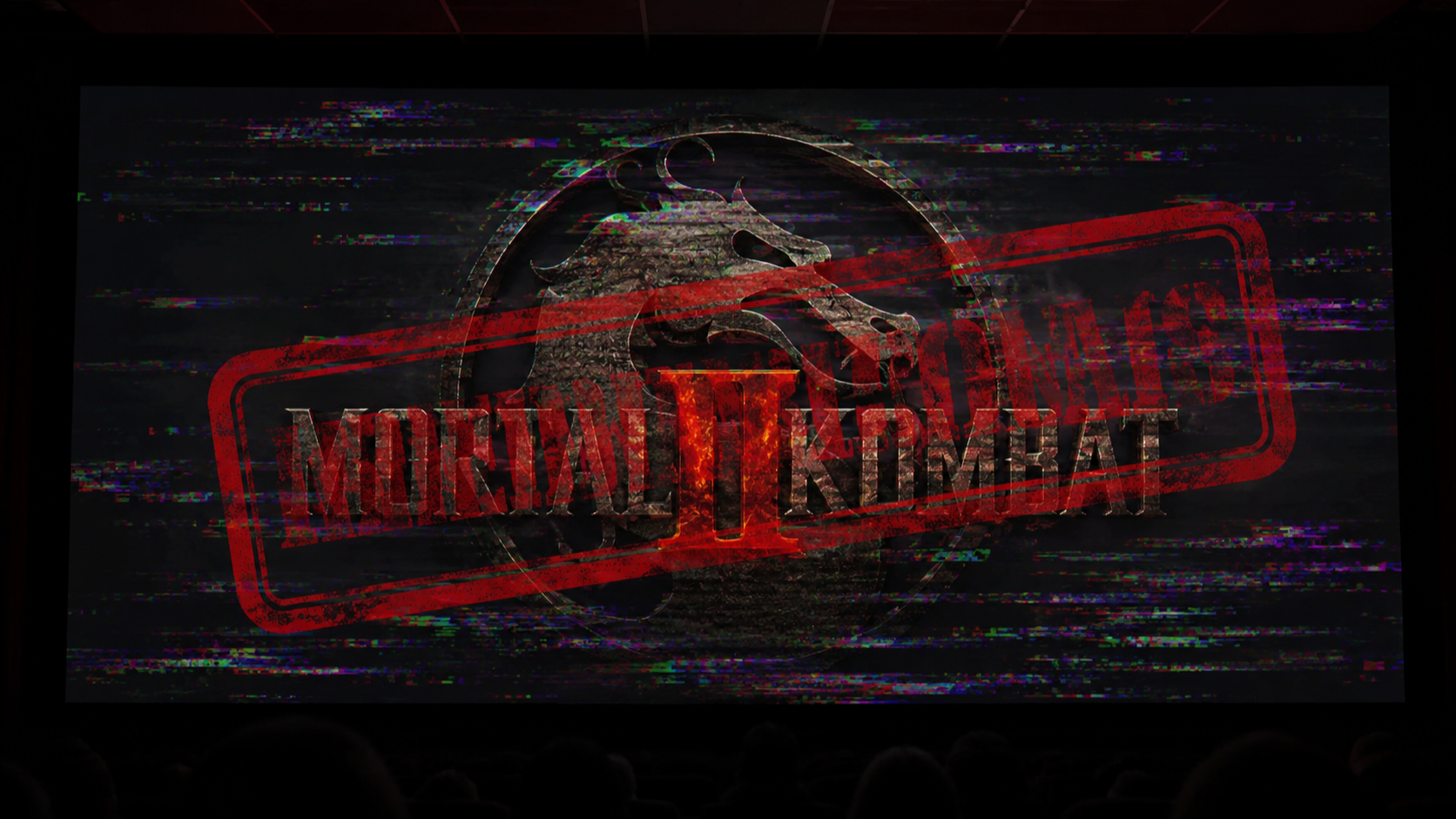
According to industry sources, the practice has become widespread. Similar warnings have already been received by venues that had announced or launched screenings for films such as They Will Kill You, The Mummy, and Mortal Kombat 2.
The launch of the campaign was officially confirmed by the Moscow-based law firm Samoylov, which represents the Hollywood major’s interests in Russia. The firm noted that Warner Bros. “safeguards its intellectual property rights on a regular basis.”
Screenshots as evidence
According to the documents, the attorneys are acting on the basis of an official, apostilled power of attorney issued directly by the copyright holder. Their response to the appearance of pirated copies has been lightning-fast.
The timeline of a single violation serves as a case in point. The global premiere of the action film Mortal Kombat 2 took place in CIS countries on May 7, 2026. Just five days later, a Russian cinema received an official demand to pull the film from distribution. Attached to the letter were screenshots of the venue’s website, capturing the date, time, and specific URLs where ticket sales were conducted.
The cease-and-desist notice instructs the cinema management to remove advertisements, cancel screenings, and submit written confirmation of compliance to Warner Bros. representatives within five business days. Failure to comply will prompt the major to pursue legal remedies through Russian courts and law enforcement agencies.
A legal paradox
The central question currently being raised by market participants is whether an American studio has the right to make demands amid the geopolitical realities of 2026. Legal experts are unanimous: yes, it does.
Despite the United States being officially designated as an “unfriendly nation,” this status does not automatically invalidate copyright protections. Part IV of the Civil Code of the Russian Federation, which regulates intellectual property, remains fully enforceable.
The high-profile draft bills from 2022–2023 regarding the compulsory licensing of Western content were never enacted into law. Furthermore, Government Decree No. 506 permits parallel imports without the rights holder’s consent exclusively for physical goods (clothing, auto parts, gadgets), but explicitly excludes public exhibition rights for films.
Consequently, liability mechanisms remain fully legal and enforceable within Russian courts:
- Civil Liability (Art. 1301 of the Civil Code of the RF): Statutory damages ranging from 10,000 to 10 million rubles for each recorded violation (or double the value of the licensing rights).
- Administrative Liability (Arts. 7.12 and 14.58 of the Code of Administrative Offences of the RF): Substantial fines accompanied by the confiscation of projection equipment.
- Criminal Liability (Art. 146 of the Criminal Code of the RF): If damages exceed 500,000 rubles, theater directors or responsible executives face potential criminal prosecution.
Precedent demonstrates that Russian courts consistently rule in favor of foreign entities, provided their legal representatives hold properly executed powers of attorney.
Funds in Type-C accounts
A critical nuance exists within this legal framework. Even if Warner Bros. prevails in court, repatriating the funds presents a significant challenge. Pursuant to Presidential Decree No. 95, any payments owed to creditors from “unfriendly countries” must be deposited into specialized, ruble-denominated “Type-C” accounts, effectively freezing them within the Russian financial system.
However, this offers little comfort to theater operators. The reality of an adverse court ruling, frozen operational accounts, reputational damage, and, crucially, the threat of personal criminal liability for general directors remain starkly real.
Long-term strategy
Most analysts agree that the current Warner Bros. campaign is not a temporary measure, but a long-term strategy. The major is pursuing several objectives simultaneously:
- Psychological Pressure: The threat of criminal liability forces theater network executives to reconsider launching “alternative distribution” schemes.
- Preservation of Evidence: Attorneys are compiling an official database of violations. Even if funds cannot be extracted immediately, judgments can be enforced and guaranteed for collection in the future once the political and economic climate shifts.
Ignoring such notices in reliance on an “unfriendly country” status is a high-risk position. No regulatory act in the Russian Federation grants businesses immunity from copyright infringement, and a cinema’s silence over the five-day window will only accelerate its transition to a defendant in a court of law.
Source: Cinemaplex