


🤹♂️ Streamers Create an Illusion of Transparency
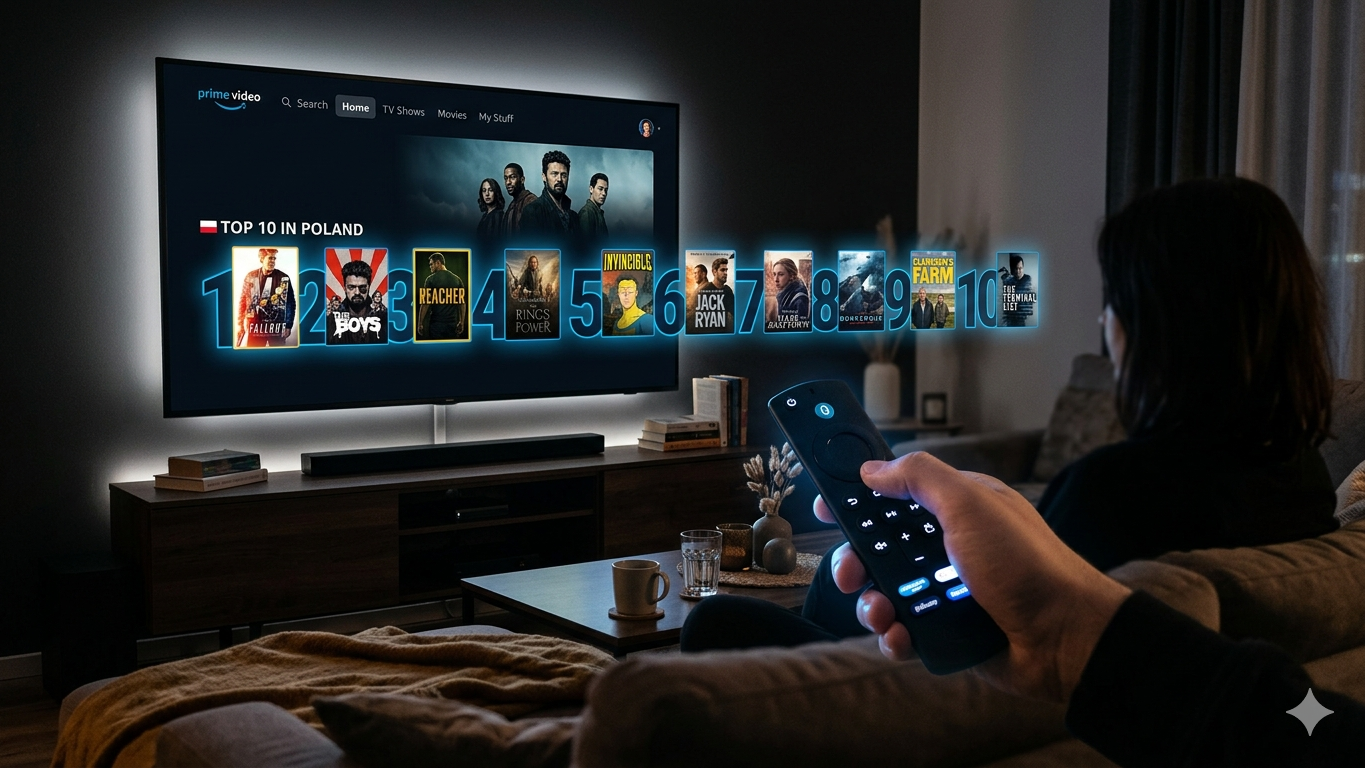
Prime Video has become the latest streaming giant to introduce weekly ratings for its most-watched content. The service joins Netflix, Disney+, HBO Max, and other major SVoD players who actively use "Top 10" charts to help users navigate their oversaturated libraries.
Prime Video has begun publishing lists of its most popular movies and TV series, separating them into English-language and non-English categories. This move reflects a long-term industry trend that gained momentum following the global success of Squid Game in 2021, when platforms realized the value of showcasing their marquee hits.
However, according to an analysis by the Spanish consulting agency Barlovento Comunicación, such ratings do not so much reflect actual demand as they shape it, while offering an extremely low level of transparency. Experts note that popularity lists provide a very limited overview of real audience behavior, since video services almost never disclose their calculation methodologies. Currently, Netflix remains the only major platform that publishes additional metrics (hours viewed and estimated views); however, these figures do not undergo independent auditing and are not broken down by specific local markets.
Barlovento Comunicación emphasizes that high chart placements fundamentally influence the fate of content. Prominent placement of “Top 10” badges on an app’s homescreen sharply increases a project’s visibility, incentivizes users to click on it, and artificially extends the commercial life of movies and series. At the same time, the underlying calculation principles raise many questions: charts can shift radically depending on whether they account for total viewing time, unique viewers, or completed sessions. Current ranking systems still contain too many “blind spots”—it remains unknown what percentage of the audience watches a show to completion, or how many people are sitting in front of the screen simultaneously.
In an environment of fierce competition for attention, the “Top 10” tool—despite being criticized by experts—has become a convenient marketing weapon for platforms, allowing them to independently construct the very definition of what constitutes a “hit.”
Source: Advanced Television