


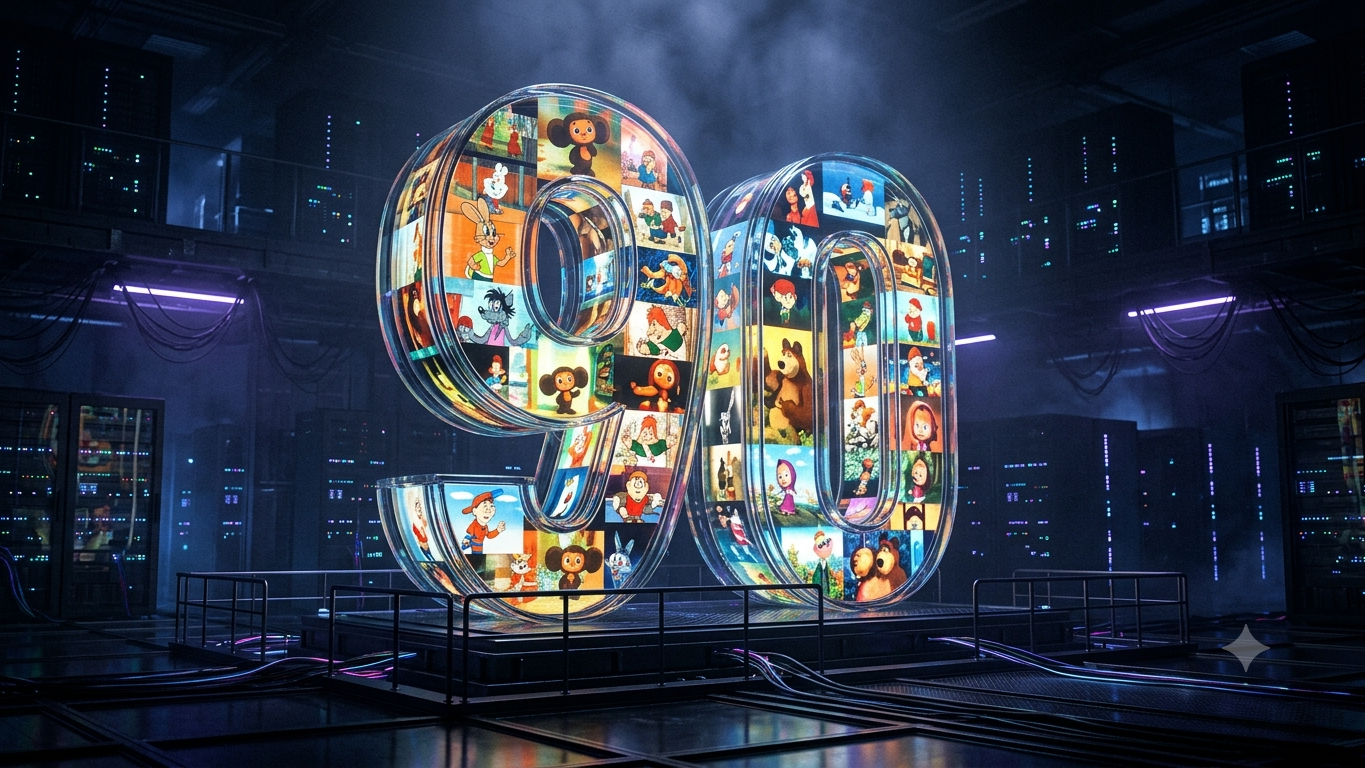
🥳 Soyuzmultfilm Celebrates 90th Anniversary in the Era of AI, Digital Transformation, and New Markets
The studio has reached its 90th anniversary as a diversified media holding that is successfully adapting to the challenges of the digital age.
Yuliana Slashcheva, Chairman of the Board of Directors at Soyuzmultfilm Film Studio, discussed the transformation of business processes, the integration of neural networks, and shifts in international distribution.
The modern animation landscape differs radically from the Soviet era, when the studio released about 10 films a year. Today, Soyuzmultfilm produces around 300 series episodes annually, simultaneously developing several verticals: feature-length animated and live-action films, series, auteur short films, and specialized content for social media. Despite this growth, core values—such as friendship, family love, and mutual support—remain unchanged.
Shifts in media consumption have forced the studio to rethink traditional promotional approaches. Modern childhood is shaped by fierce competition for attention: more than 95% of children and adolescents aged 3 to 17 regularly use the internet, while 37% of children under 5 already have access to video platforms and social networks.
In this reality, the classic “series-to-feature-film” pipeline is giving way to a 360-degree cross-media strategy. Popular characters increasingly reach audiences through memes, toys, or short-form content on social networks. For instance, the new project Kroshki (The Little Ones) is launching simultaneously with a line of interactive books and educational toys, while promotion for the Princesses series will kick off with short-form videos and dolls. The studio is also actively expanding its offline ecosystem, ranging from the Soyuzmultpark theme park network to educational centers.
Commenting on the implementation of generative AI in the industry, Yuliana Slashcheva emphasized that Soyuzmultfilm does not support “brainrot” (experimentation for the sake of experimentation) but actively integrates neural networks into routine processes. AI is utilized as a technical utility tool, much like technologies of previous generations: for accelerating background rendering, setting up lighting, detecting technical anomalies in frames, and creating scratch vocals to map out scene pacing. However, all creative elements—including ideation, directing, editing, and character development—remain entirely in the hands of creative professionals.
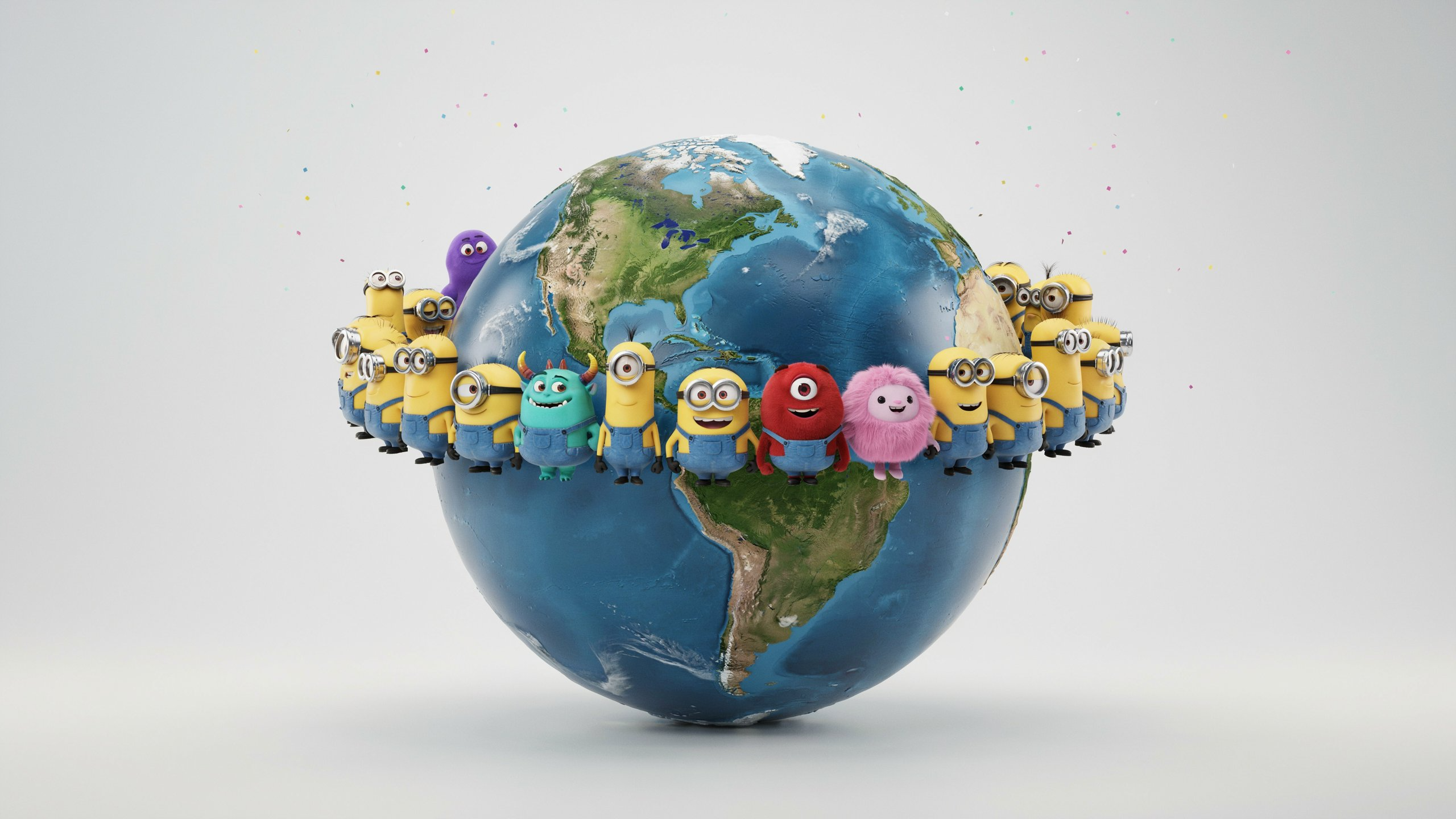
Geopolitical restrictions in Western markets have paradoxically opened up new global frontiers for domestic content. Today, Soyuzmultfilm’s productions are distributed to 120 countries worldwide.
The Middle East (including Saudi Arabia, Qatar, and Oman) has emerged as a priority region, generating 25% of all international sales revenue. For this market, the studio performs deep localization, which includes creating special episodes tied to national holidays. China stands as the second most significant market, where co-production projects are currently under discussion, followed by countries across Southeast Asia and Latin America. The high demand for Russian animation in these regions is driven by a strong alignment of core cultural codes—specifically, a shared demand for traditional family values and respect for elders.
Source: Cableman
World news