


⚖️ Cinema 'Import Tax' Threatens Russian Streaming Platforms
The Russian media market is on the verge of a regulatory overhaul that, under the banner of protecting domestic content, could reshape the economics of both traditional theatrical distribution and the OTT segment.
The Russian Filmmakers’ Union, led by Nikita Mikhalkov, along with relevant State Duma committees, is drafting a bill to introduce a strict fiscal barrier for foreign cinema. The proposal suggests establishing a fixed entry fee of 5 million rubles just to review each foreign title, alongside a mandatory 10% levy on its box office grosses to refinance domestic production.
At first glance, the initiative targets traditional movie theaters exclusively. However, the logic of domestic regulation and the lobbying interests of key players make the extension of this tax to streaming platforms merely a matter of time. Crucially, it will not be Hollywood studios footing the bill, but Russian video services and their subscribers.
The Precedent of Total Licensing and the AVK Factor
Attempts to transpose rigid theatrical distribution rules onto online cinemas are not without precedent. In December 2024, a bill was introduced to the State Duma that would require streaming platforms to obtain official distribution certificates (known as PUs) for their entire archival and licensed catalogs. Despite fierce resistance from the Media-Telecom Union (MKS) and a subsequent softening of the document during its second reading in the summer of 2025, the precedent was set: the regulatory mechanism for transferring these rules had been field-tested.
Today, the primary driver for expanding the new levy is the cinema lobby itself. Alexey Voronkov, Chairman of the Russian Cinema Owners Association (AVK), has openly declared that theaters have no intention of bearing the fiscal burden alone. The AVK’s stance is unequivocal: the tax must apply to all monetization channels, including streaming platforms and television networks. The association is already actively corresponding with relevant government agencies on this matter.
European Models vs. Russian Reality
Proponents of the quotas frequently point to the experiences of France or Germany, where streaming services are mandated to reinvest a percentage of their revenue into local content creation. However, there is a fundamental difference between the European approach and the proposed Russian model:
- The European Producer Model: Collected funds flow back into the industry as direct production investments, while producers retain ownership rights.
- The Proposed Russian Model: This is a classic fiscal tax levied on the sheer fact of a foreign release’s presence in the market.
For movie theaters, where a foreign film is a distinct, temporary product, the fee is painful but manageable. For online cinemas, however, foreign libraries comprising thousands of movies and series serve as the core structural foundation for retaining subscribers.
“I see no grounds for introducing quotas or levies, but we traditionally monitor the regulation of adjacent environments and will assess how they affect the digital media market and TV,” notes Alexey Byrdin, Director of the Internet Video Association, offering a cautious evaluation of the situation.
Who Will Foot the Bill?
The potential expansion of the levy to streaming platforms will strike a direct blow to their profit margins. While ecosystem giants (Kinopoisk, Okko, Wink, Kion) can offset these losses through other business assets, independent video services with a high share of foreign titles in their catalogs will find themselves on the brink of survival.
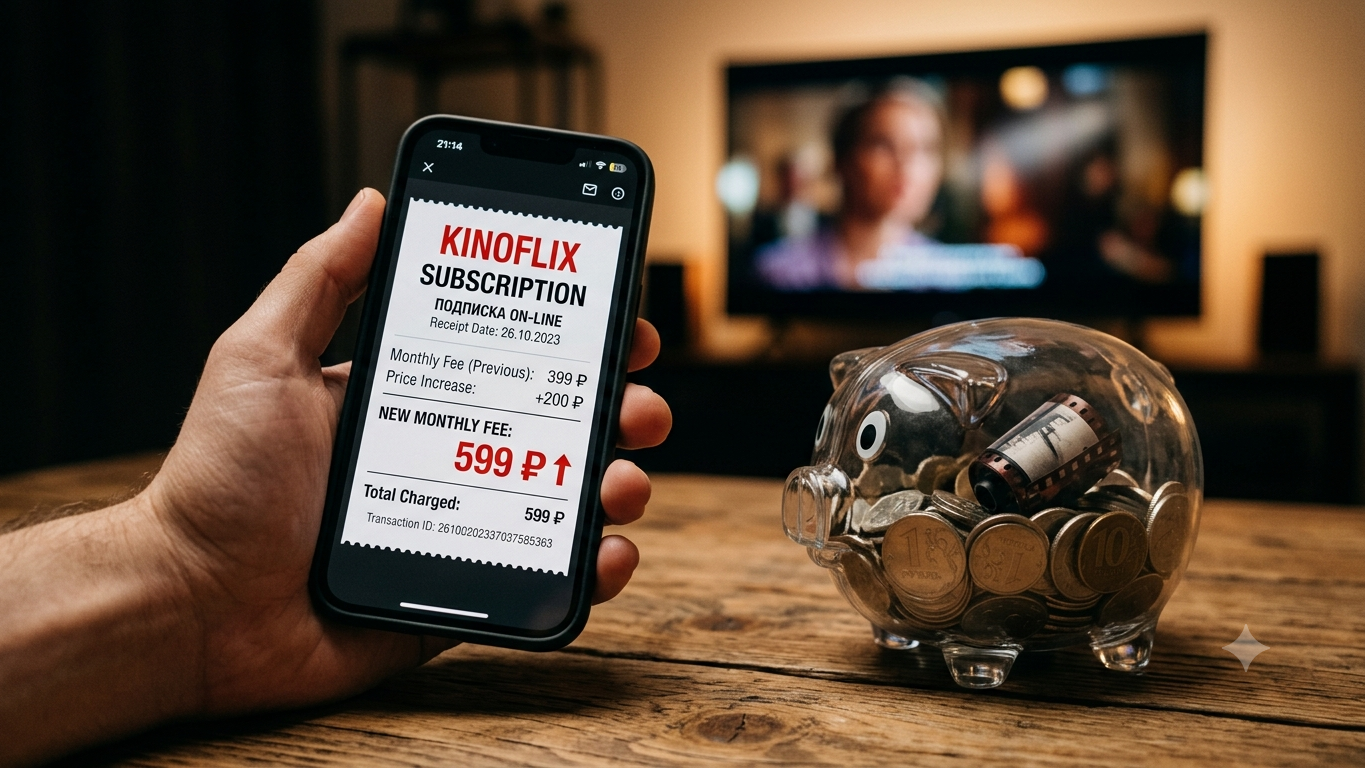
Given that major Western studios (such as Netflix, Disney, and Warner Bros.) have officially exited the Russian market, there is physically no one left to tax in the streaming segment other than the domestic platforms themselves. Ultimately, any protectionist barrier is inevitably baked into subscription pricing, meaning the end-consumer will pay for this “import tax.” Experts suggest that instead of introducing new levies, the state should focus on more effective measures.
“The best support for domestic cinematography would not be quotas or para-fiscal levies, but rather increasing the efficacy of anti-piracy efforts—including cracking down on the shadow theatrical distribution of foreign cinema, for which the state already possesses all the necessary levers,” Alexey Byrdin concludes.
Source: Telesputnik