


📚 AI Legislation to Be Refined to Protect Copyright
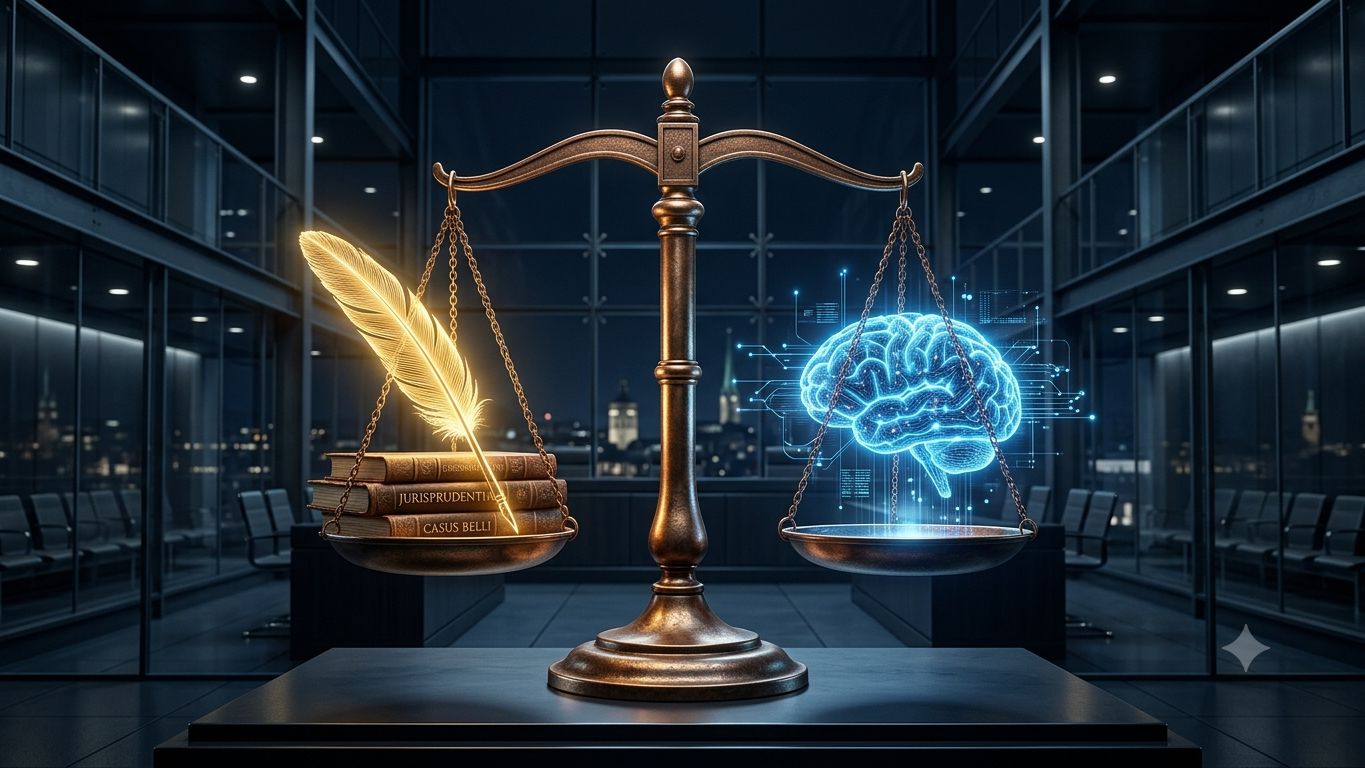
Russia has launched an initiative to update its artificial intelligence legislation to better safeguard the interests of copyright holders. A comprehensive package of proposals aimed at harmonizing current legal frameworks is scheduled for presentation by late September 2026.
Relevant government agencies and industry bodies are preparing amendments designed to resolve a conflict between the recently enacted AI development law and the Civil Code of the Russian Federation. Pavel Krasheninnikov, Chairman of the Presidential Council for Codification and Improvement of Civil Legislation, confirmed the formation of a dedicated working group, noting that stakeholders are currently working toward a middle ground.
At the heart of the debate is a provision in the AI law passed on July 8 that permits developers to train neural networks on publicly available online content without obtaining prior consent from creators. Legal experts stress that this directly infringes upon Article 1229 of the Russian Civil Code. The ongoing uncertainty is further compounded by a lack of clear legal standards for determining human creative contribution in AI-generated content.
To address these challenges, several regulatory models are currently under consideration:
- Setting up dedicated content-rights exchanges based on the Chinese model
- Mandating direct content licensing by AI developers
- Introducing a collective rights management framework to distribute royalties to creators whose works are included in training datasets
These proposals are being evaluated within the “Media Industry and Copyright” working group under the government’s subcommittee on AI development. Media industry stakeholders continue to call for a transparent compensation model and robust legal protections for creators whose intellectual property powers generative algorithms.
Source: Vedomosti