



🧠 VK Launches Unified AI User Profile
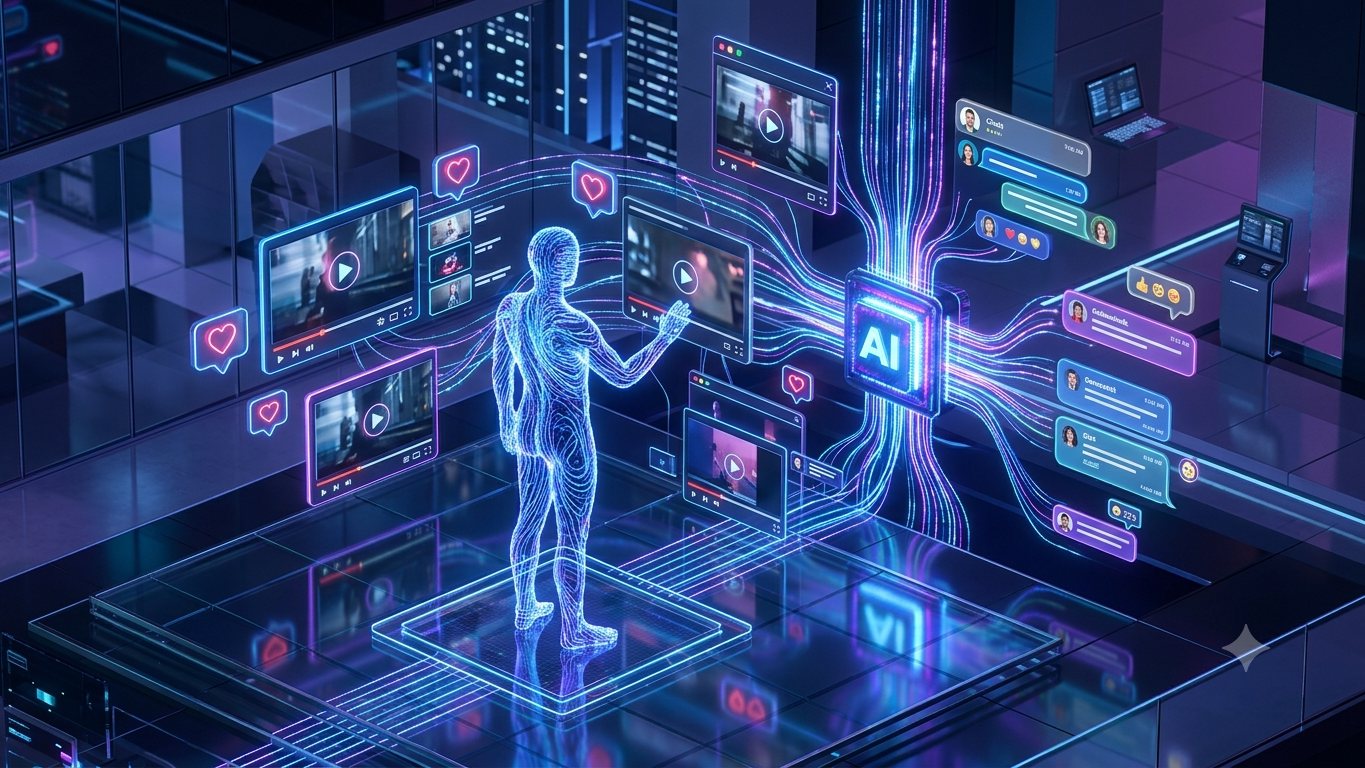
VK has developed a unified AI model that builds a cross-service user neural profile based on anonymized activity across its ecosystem.
According to VK’s press service, the technology has already been integrated into VK Video, VK Clips, and the VKontakte social network, with the primary goal of improving the precision of recommendation algorithms and boosting the effectiveness of advertising tools.
At the core of the system is a neural network that analyzes user actions—such as likes, reposts, comments, views, and skips—as a continuous sequence of events. The algorithm evaluates the context of each signal, taking into account the specific service, content type and creator, time, and sequence of interactions. This approach allows the model to distinguish long-term interests from accidental clicks and rapidly respond to shifting audience preferences.
Powered by this neural profile, the company introduced a neural network ranking algorithm that matches publication characteristics with an individual’s real-time preferences. The implementation of this technology has already driven significant engagement metrics:
- Average watch time in VK Clips increased by 5.5%
- Users shared posts 15% more frequently
- Full-screen content views grew by 10%, with likes rising by 5%
“To deliver precise recommendations, algorithms must understand not only the content itself, but also what a specific individual wants to see in their feed at any given moment. To solve the first task, we are advancing deep content understanding technologies; for the second, we developed the neural profile, which connects behavioral signals across VK’s various services,” stated Alexander Poslavsky, Head of AI Recommendations at VK.
The technological foundation for the neural profile is VK’s unified discovery platform, which was launched in 2025. The company notes that cross-service behavioral analytics will be applied not only to content recommendations but also across its ad tech ecosystem—VK Ads was fully migrated to the new infrastructure in May.
Source: Forbes