



🛒 Samsung and LG Are Turning Home Appliances into Billboards
South Korean tech giants Samsung Electronics and LG Electronics are restructuring their business models, shifting focus from one-off hardware sales toward recurring revenue streams from advertising, operating systems, and content.
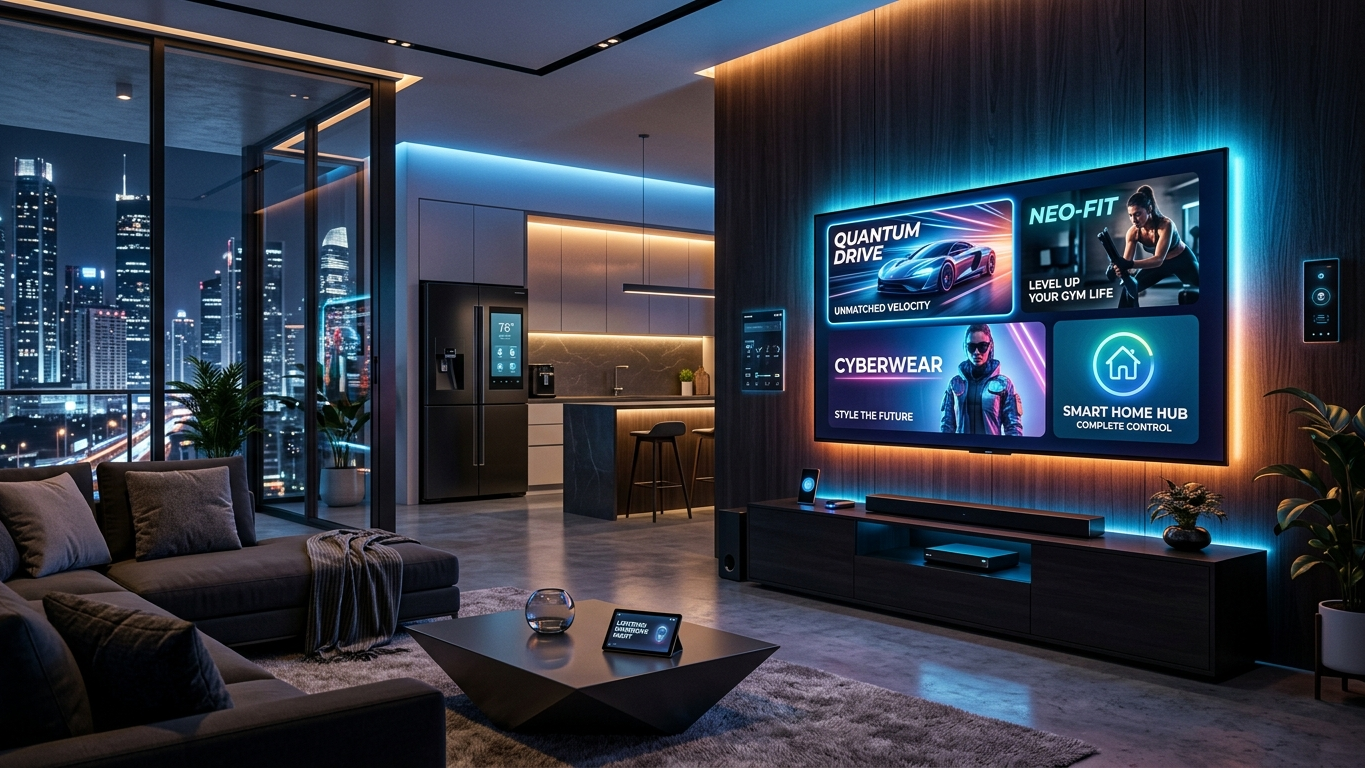
Using Smart TVs and screen-equipped home appliances as media platforms is already generating billions of dollars for the companies, though attempts to push ads onto kitchen appliances are meeting consumer resistance.
According to industry sources, LG Electronics’ Connected TV (CTV) advertising business in the U.S. is on track to exceed 1 trillion South Korean won this year. The LG Ad Solutions division reported a 50% year-over-year sales increase in the first half of the year, with annual revenue expected to reach approximately $850 million (around 1.2 trillion won). The company monetizes home screens and its webOS operating system by delivering targeted ads based on user preferences. Ashish Chordia, founder of Alphonso, notes that TV manufacturers are transforming from hardware vendors into full-fledged media platforms.
Samsung Electronics is similarly expanding its free ad-supported streaming service, Samsung TV Plus. Monthly active users (MAU) have crossed the 100 million mark, while watch time jumped 25% over the past year. In March, Samsung integrated Amazon functionality, enabling viewers to add advertised products directly to their shopping carts with a click of the remote while watching a commercial.
According to eMarketer forecasts, the U.S. CTV advertising market will grow from $38 billion this year to $46.9 billion by 2028, solidly outpacing traditional linear television.
In a recent report, the UK innovation foundation NESTA identified screens on washing machines, ovens, and microwaves as potential new ad media capable of turning living spaces into “perpetual commercial venues.”
However, embedding advertisements into kitchen appliances is proving contentious. Last year’s software update for Samsung Family Hub refrigerators in the U.S.—which introduced ad banners—sparked immediate consumer pushback. While smartphone ads are largely accepted as the price of connectivity, users still view the kitchen as a “commerce-free zone.” As a result, Samsung was forced to publish instructions on how to disable commercial notifications in the refrigerator’s settings.
Sung Yong-jun, President of the Korean Advertising Society and psychology professor at Korea University, stresses that the market is still in its infancy and consumer resistance to ads on major home appliances remains high. In his view, manufacturers will need to introduce reward programs—such as hardware discounts or complimentary services in exchange for viewing ads—to build audience acceptance.
Source: Chosun