



👧 Linear TV Adapts to Generation Alpha
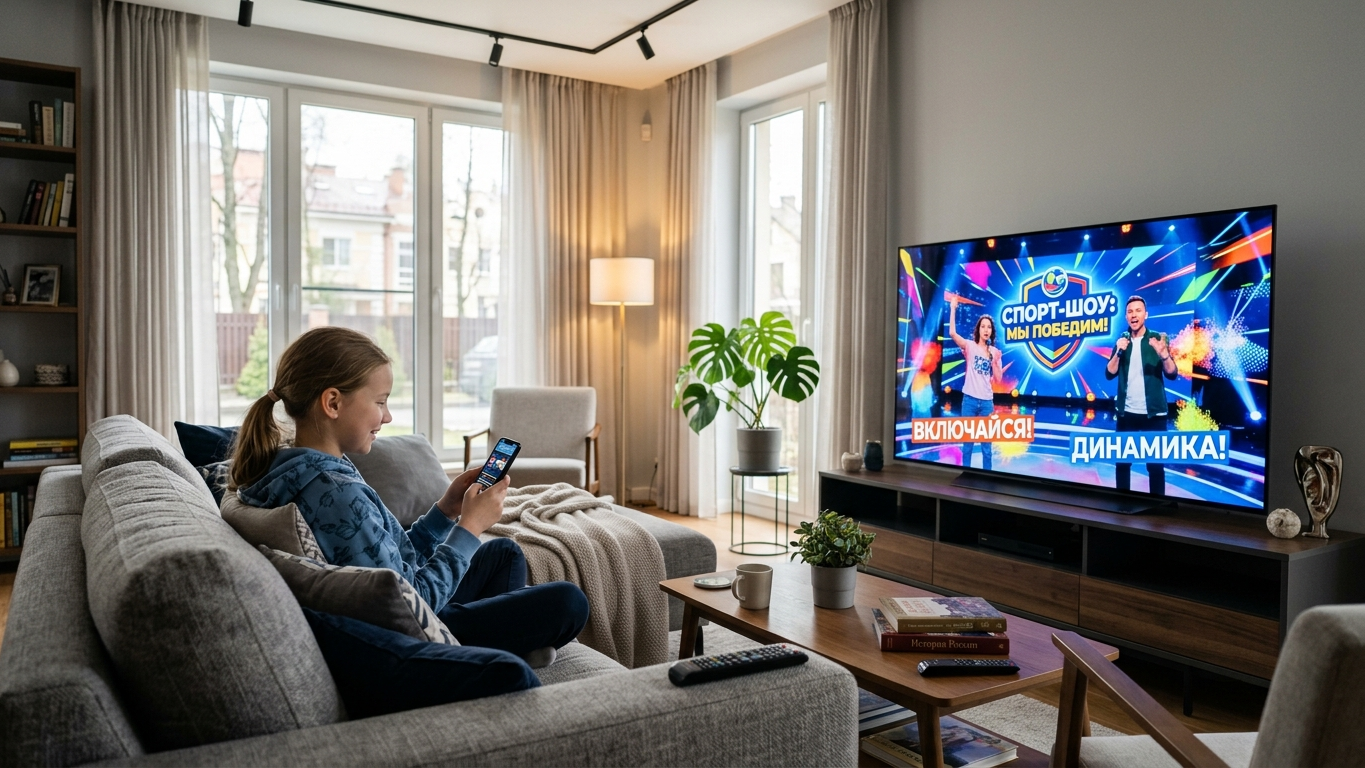
The domestic television industry is overhauling its strategy for engaging audiences born after 2010. Generation Alpha, raised in an environment of personalized algorithms and touchscreen interfaces, exhibits fundamentally different media consumption habits: attempts to monopolize the young viewer's attention are giving way to adaptations designed for multi-screening and background viewing.
Natalia Sidorenkova, Content Director at First HDTV, shared insights into the new standards of content production.
A key factor in retaining Alpha viewers is the precise calibration of sound design and visual pacing. Due to the prevalence of simultaneous smartphone usage, traditional silence on air causes audiences to slip away into the digital space; as a result, broadcasters are doubling down on dense, immersive audio design.
Editing requirements have shifted as well: while the retention window previously stood at seven minutes, Generation Alpha’s attention span has shrunk to three minutes—demanding visual or narrative “micro-switches” within programs at least that frequently. Meanwhile, the average shot length in fast-paced segments has dropped to 2–2.5 seconds.
TV channels are also rethinking their approach to casting, using digital spaces as their primary talent discovery ground. Today, a background in blogging and direct engagement with an audience are prized above adherence to classic broadcast standards.
Industry experts believe the traditional TV screen will retain its place in households, but will evolve into a hybrid environment powered by touch or voice control, seamlessly blending linear broadcasting, streaming, and interactive formats.
Source: Telesputnik