

💸 Streaming Services Are Now More Expensive Than Cable TV
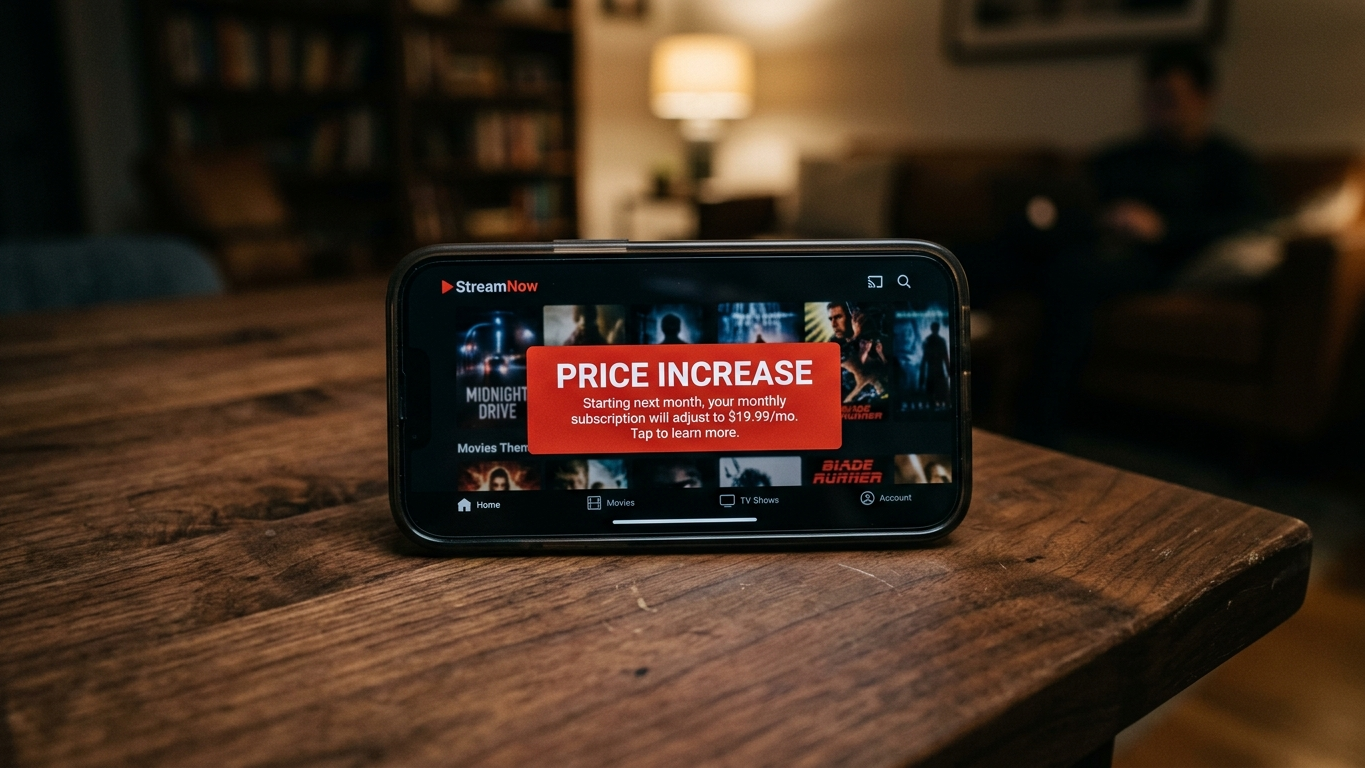
The era of cheap VoD subscriptions is over. Consumers who fled costly cable television hoping to save money are now facing relentless pressure on their wallets.
Over the past four years, subscription price hikes in the US and globally have outpaced general inflation by more than three times, turning streaming services into the equivalent of traditional pay-TV providers in terms of total cost.
An analysis of data from the US Bureau of Labor Statistics shows that over the past 12 months, the cost of video streaming subscriptions rose by an average of 11.8%, with the price increase peaking in 2023 at +17.7%. By comparison, cable and satellite TV rates have historically grown at an average rate of 3.9% per year. As a result, a user wishing to maintain access to a basic ad-free bundle of eight key OTT platforms must now pay around $151 a month—up from $90 four years ago.
Price Hike Trajectory for Key Players:
- Apple TV+ (Aggressive Adjustment): Launching in 2019 at $4.99, the service has jumped by 200%, despite maintaining one of the smallest content libraries in the market.
- Disney+ (Strategic Shift Away from Undercutting): The platform debuted its ad-free plan at $6.99, whereas today even the basic tier with ads costs $11.99, marking a 172% total increase from the original price point.
- Paramount+ and Netflix (Long-Term Escalation): Paramount+’s entry-level plan has risen by 80% over five years, while Netflix’s premium tier has jumped 125% since 2013.
- The HBO Max Anomaly: The service showed the lowest growth over six years at just 23%. However, this is largely because it launched at a premium price point to begin with ($14.99).
Against the backdrop of rising overall consumer price indices (33% cumulative growth since 2019), regular rate hikes of 10–15% create a severe compounding effect. While this hasn’t triggered a mass migration back to cable—where a comprehensive Spectrum or DirecTV package still tops $170—it is fundamentally reshaping viewer habits.
Permanent subscriptions are giving way to a “stream-cycling” model, which is particularly popular among Gen Z: users activate a subscription for a month or two to watch a specific title, cancel it, and hop to the next service. For media platforms, this trend brings lower LTV (Lifetime Value), higher churn rates, and an urgent need to rethink customer retention strategies.
Source: Hollywood Reporter