
📜 Global Rules for the Use of AI in the Media Industry Approved
At the Lumière Summit in Saint-Paul-de-Vence, France, the Declaration on Artificial Intelligence was adopted—a benchmark document setting the framework for the use of generative technologies in global cinema and media.
Among the initial signatories are France, South Korea, and leading performing rights and creative management organizations, including SACEM and Adami.
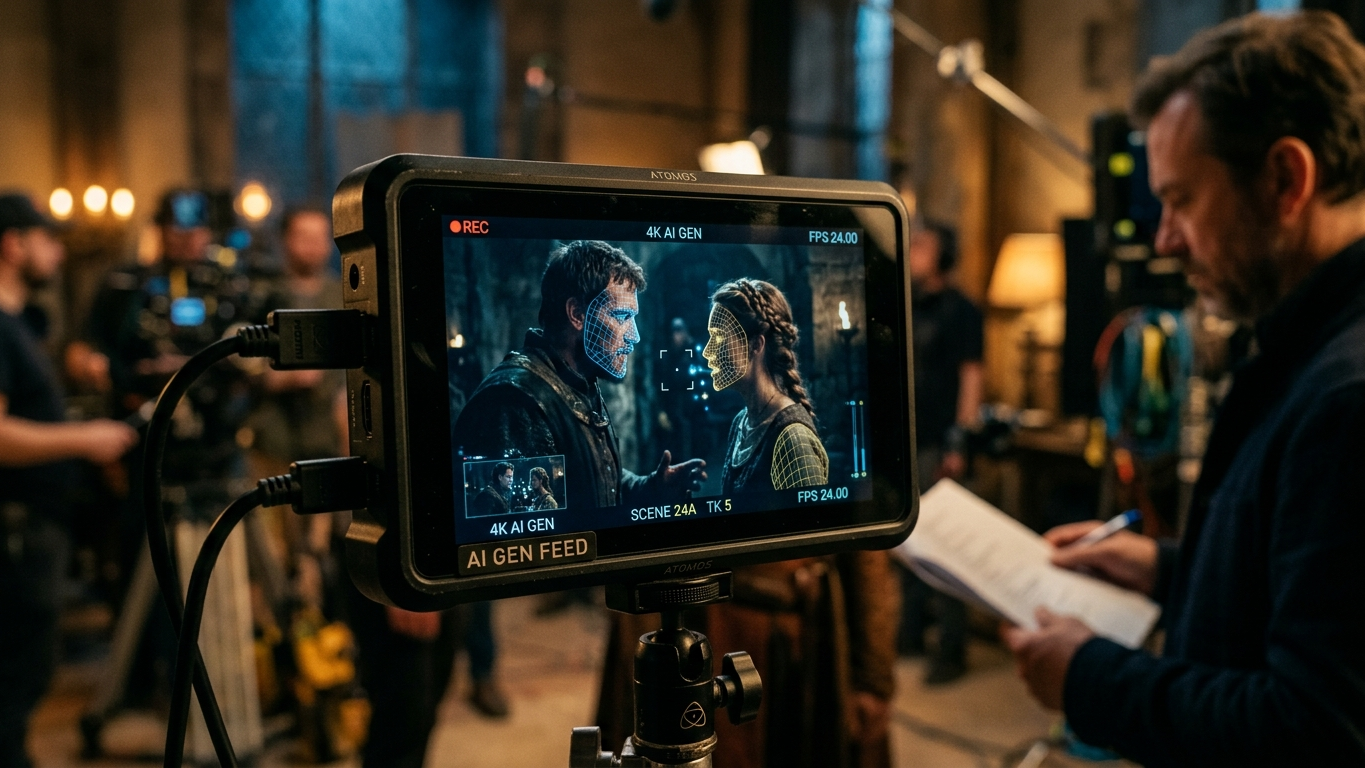
Rather than restricting technological integration, the Saint-Paul-de-Vence Declaration establishes clear rules of engagement for an ecosystem where AI is already embedded across every stage—from screenwriting and pre-visualization to dubbing and recommendation algorithms. The document sets forth core principles designed to shape national legislation and international standards:
- Copyright Protection: Training AI models on copyrighted works is officially recognized as the use of intellectual property, requiring the rightsholders’ consent and fair compensation.
- Transparency and Labelling: Developers will be required to disclose their training datasets, while content generated or modified by neural networks must be clearly labeled. Creators will be provided with mechanisms to track how their works are utilized.
- Human Primacy: Safeguarding creative employment is designated as a key public policy goal, with legal protections extended to the voices and digital likenesses of actors and voice artists.
- Cultural Compliance: The application of AI is officially brought within the scope of UNESCO’s 2005 Convention on Cultural Diversity, alongside a reaffirmed commitment to supporting AI development in rare and local languages.
The adoption of the declaration paves the way for a supplementary UNESCO protocol on author rights and data transparency in the age of neural networks. In parallel, the summit introduced cross-border initiatives targeting piracy, film set safety, and environmental sustainability in production.
Source: Variety