


👁🗨 Television on the Toilet and a Paradigm Shift
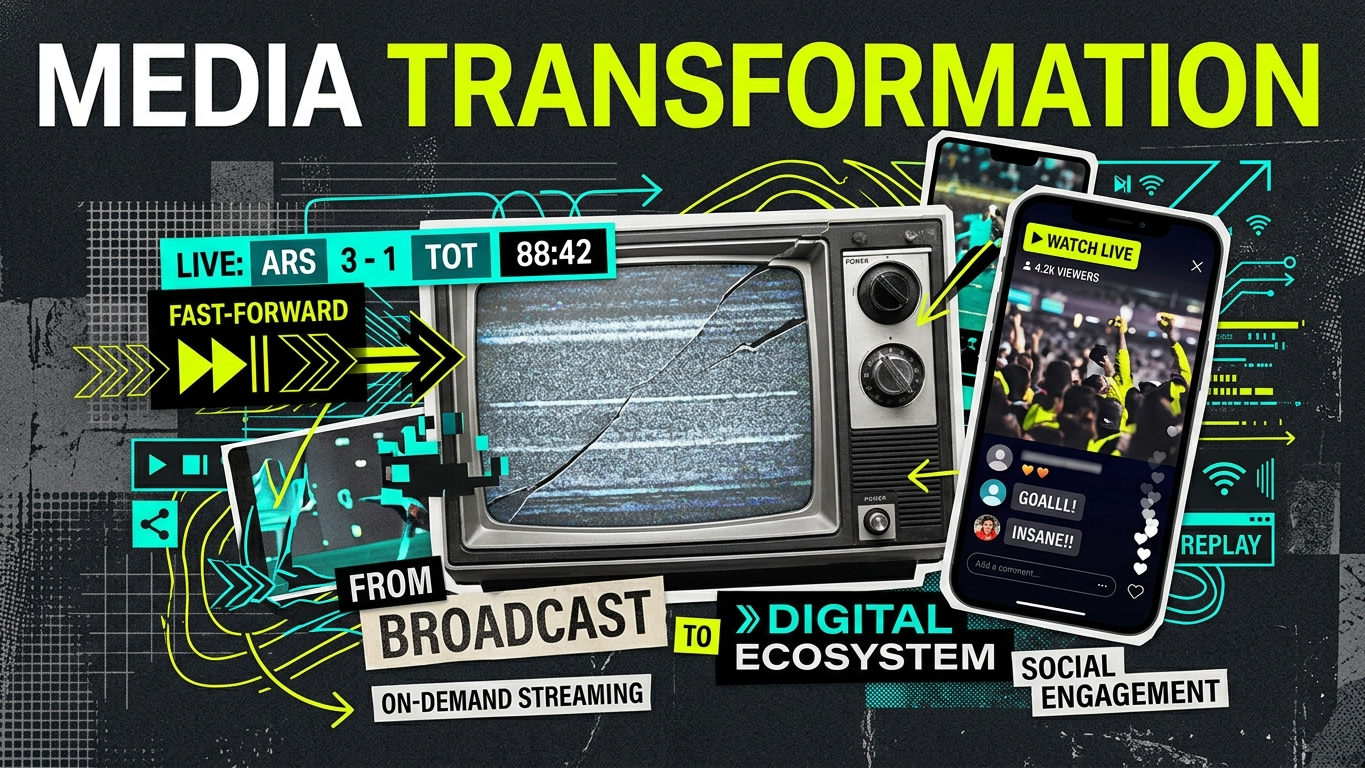
The era of vertically integrated broadcasting and the strict division between "TV viewers" and "mobile users" has come to an end. To survive in this new reality, the media industry must radically rethink the very concept of broadcasting and place the user at the center of every decision.
This was stated by media analyst and producer Evan Shapiro during his presentation at IBC2026.
According to Shapiro, segmenting the audience by device type is a fundamental mistake: today’s consumer is simultaneously a traditional viewer and a smartphone user.
“We must view the consumer holistically and all at once, as the vast majority of video content today is consumed on mobile phones,” Shapiro emphasized. “We have moved past the top-down era and entered the user-centric era, where consumers choose exactly what they want. The smartphone has become the remote control for our entire lives. The single most important thing you need to know is who your user is and how they behave. If you ignore them and fail to place them at the center of your strategy, you’re done.”
The expert noted that 70% of the global population now consists of Millennials and younger generations, while 81% of people on Earth are under 55. Having grown up with a smartphone in their pocket, they consume media in a fundamentally different way.
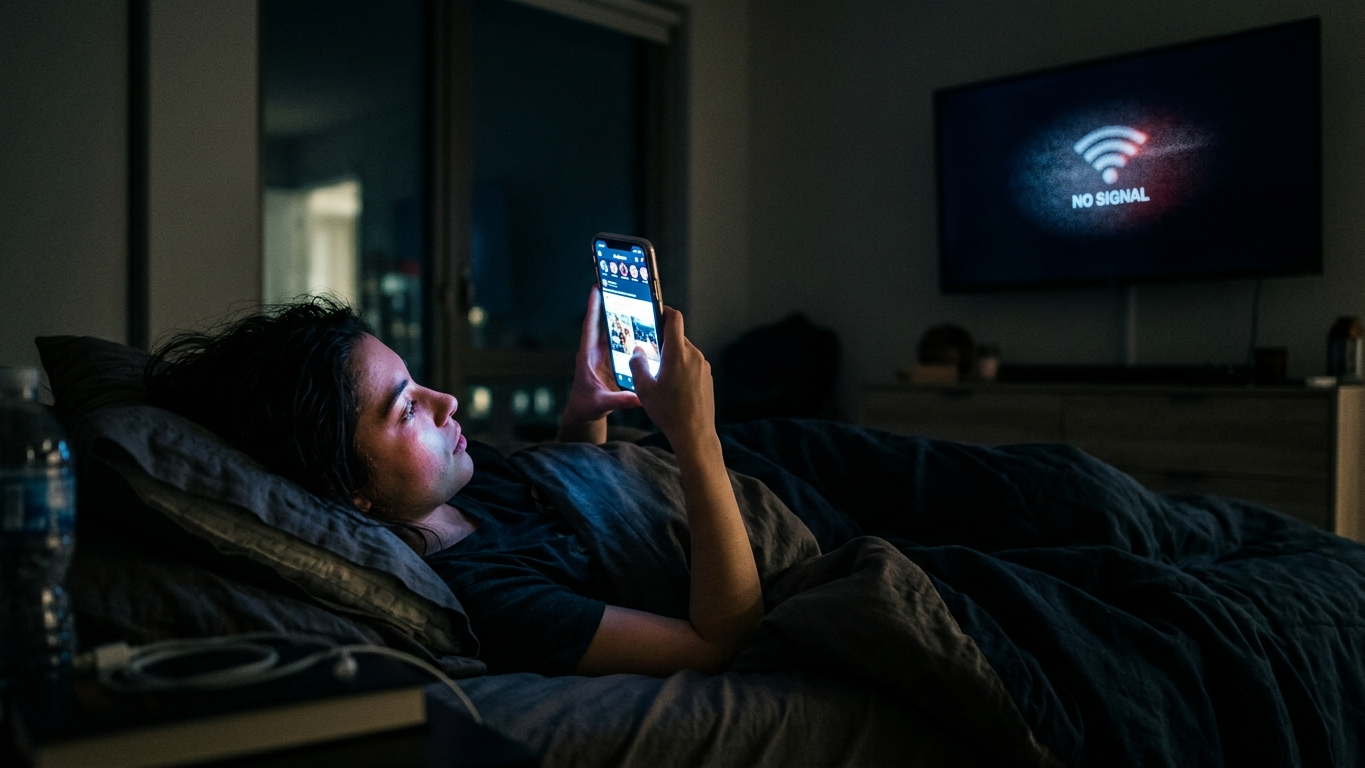
“Most video on the planet is watched in bed, in lines, and on the toilet. The younger the audience, the truer this is. When I say ‘see the consumer holistically,’ I mean their entire journey: from the living room to the bed, from the bus to the couch, and from the couch to the bathroom,” the analyst declared.
Europe, where two-thirds of the population is under 55, is experiencing this transformation in real time. Shapiro believes changes arrive more slowly in the European market due to a larger proportion of older generations and a robust public service broadcasting sector. However, the shift is inevitable—the wave is already crashing in.
At the same time, media moguls’ hopes that classic streaming would replace traditional TV on a one-to-one basis in both audience and revenue have failed to materialize. Time previously spent watching TV is now split among streaming services, social networks, traditional screens, and smartphones.
Shapiro calls this new hybrid format “personalized television.” In this continuous spectrum, BBC iPlayer sits on the same plane as TikTok. Traditional TV is steadily becoming a thing of the past, with user attention captured by social video and mobile content. For the under-55 demographic, YouTube and TikTok have become the primary sources of video content. Among traditional players, only Netflix manages to stay in the top four.
Concluding his address, Evan Shapiro noted that social media and independent creators now enjoy greater trust than traditional news outlets. To maintain their footing, legacy media must integrate into the creator economy and learn to navigate narrative control within this new ecosystem.
Source: IBC