



🛰 Government to Fund New Satellites
The Russian government will allocate 16.7 billion rubles to the Ministry of Digital Development by the end of 2025 to provide state support to the Russian Satellite Communications Company (RSCC).
The Russian government will allocate 16.7 billion rubles to the Ministry of Digital Development by the end of 2025 to provide state support to the Russian Satellite Communications Company (RSCC).

Italy has approved a new, stricter list of “events of major societal importance” that must be made available for free-to-air viewing.

The Ministry of Digital Development is working on a regulatory framework for introducing technology that signs content and code, aimed at reliably verifying the identity of users who publish materials and combating deepfakes.

Australia has passed one of the world’s strictest SVoD regulations.
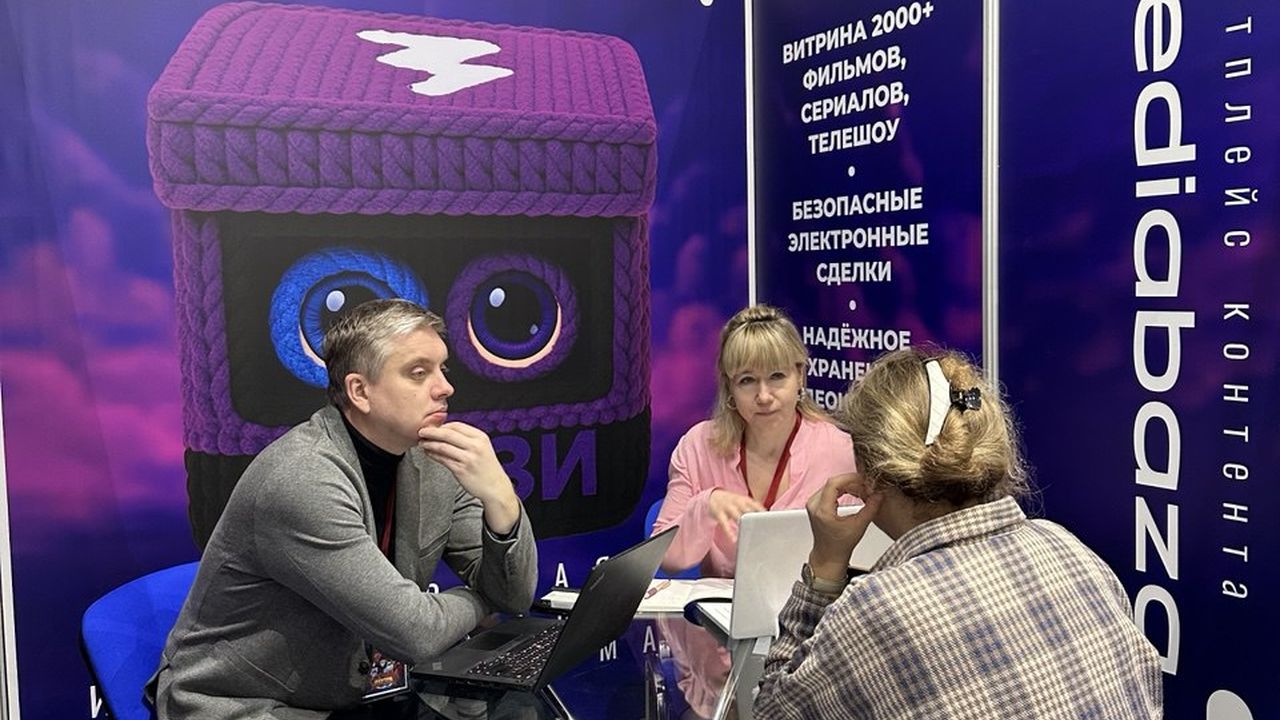
At the international television and digital content market World Content Market 2025 (WCM 2025), MSK-IX Media Platforms Director Grigory Kuzin and Mediabaza Platform Administrator Dmitry Rassadin delivered a presentation titled “B2B Content Marketplace – Deals, Storage, Localization.”

According to a SuperJob report, 41% of economically active Russians say they have completely stopped watching television.

A new law requiring online cinema owners to stop distributing films that “discredit or promote the rejection of traditional Russian spiritual and moral values” will come into force on March 1, 2026.

The European Parliament has approved a report on protecting minors on the internet, calling for urgent action against growing risks such as addictive behavior, disinformation, and mental health issues.
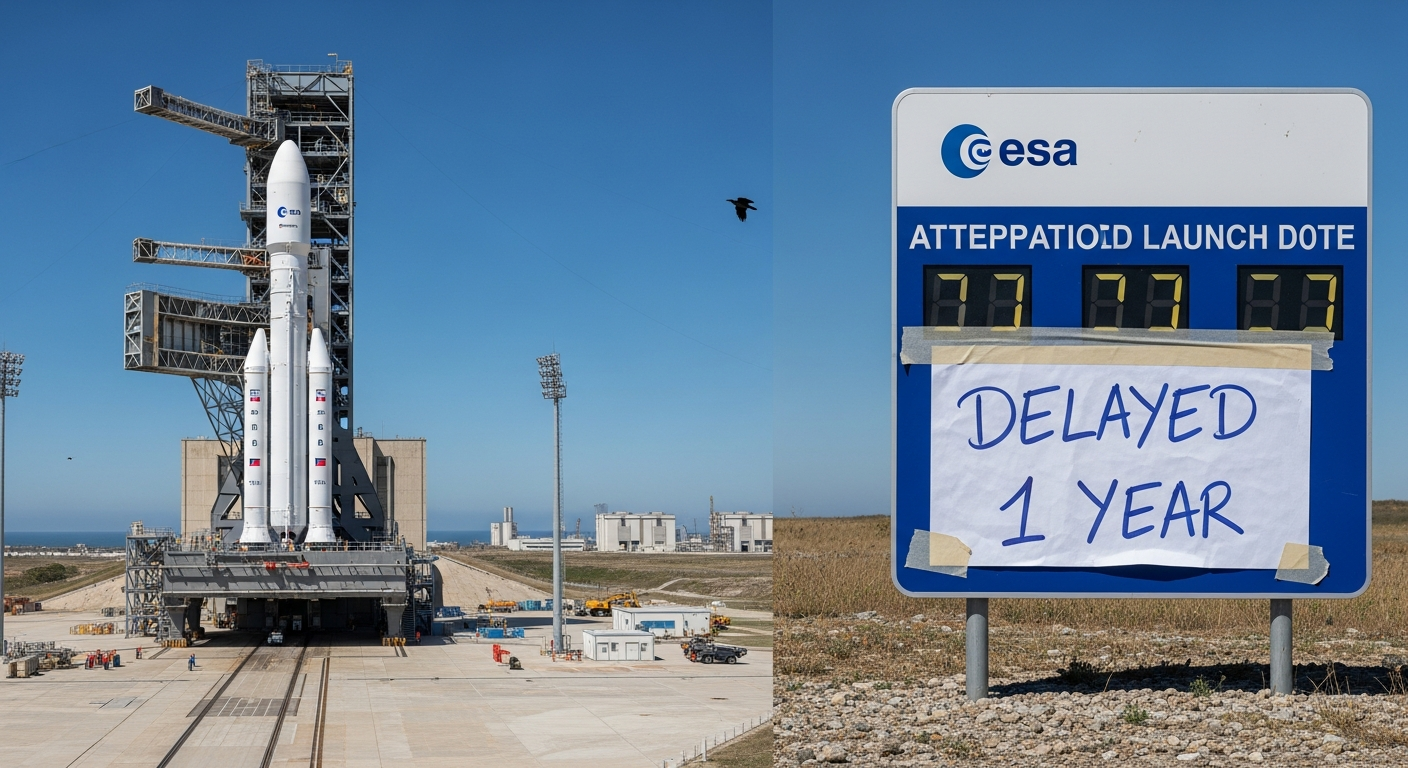
The ministerial meeting of the European Space Agency (ESA) in Bremen encountered its first setback: ministers from 27 countries were unable to approve a joint budget of €22.5 billion.

Over the past ten years, French thematic TV channels have lost around €800 million in distribution revenue. Advertising revenue over the same period has fallen by 40%, according to the trade association ACCES.