



📊 The balance of power in the global streaming market has shifted
The global streaming market has changed its strategy: the race for subscriber numbers has given way to a battle for operating profitability and audience retention.
The global streaming market has changed its strategy: the race for subscriber numbers has given way to a battle for operating profitability and audience retention.
The Russian video streaming market is entering a phase of structural transformation, which will ultimately reduce the number of independent players and reshape the very paradigm of video consumption.

The Dom Kino TV channel has analyzed audience viewing habits and uncovered significant gender differences in how people consume television content.

Incomplete or inconsistent data within bidstreams during programmatic Connected TV (CTV) ad buying is directly reshaping budget allocation.
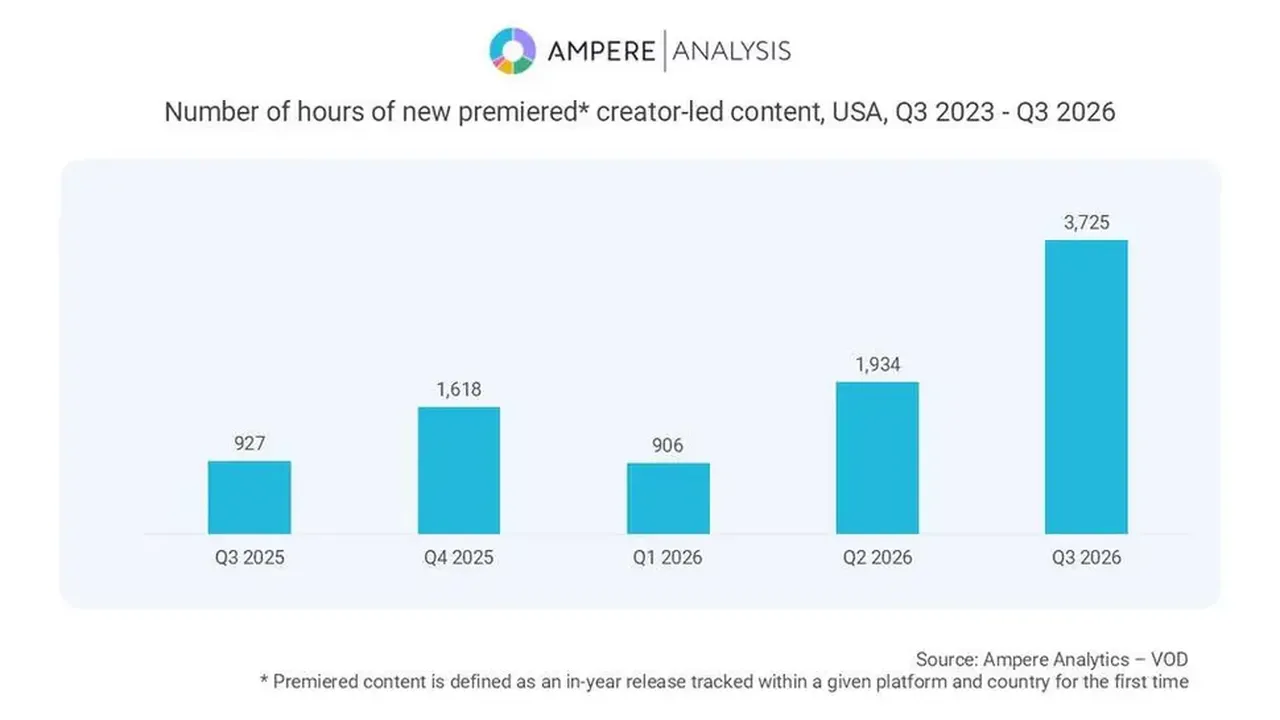
U.S. streaming services have dramatically boosted their supply of creator-led programming. According to a report by analytics firm Ampere Analysis, U.S. OTT platforms premiered over 3,700 hours of independent creator content in Q3 2026—nearly quadrupling the 927 hours recorded during the same period last year.
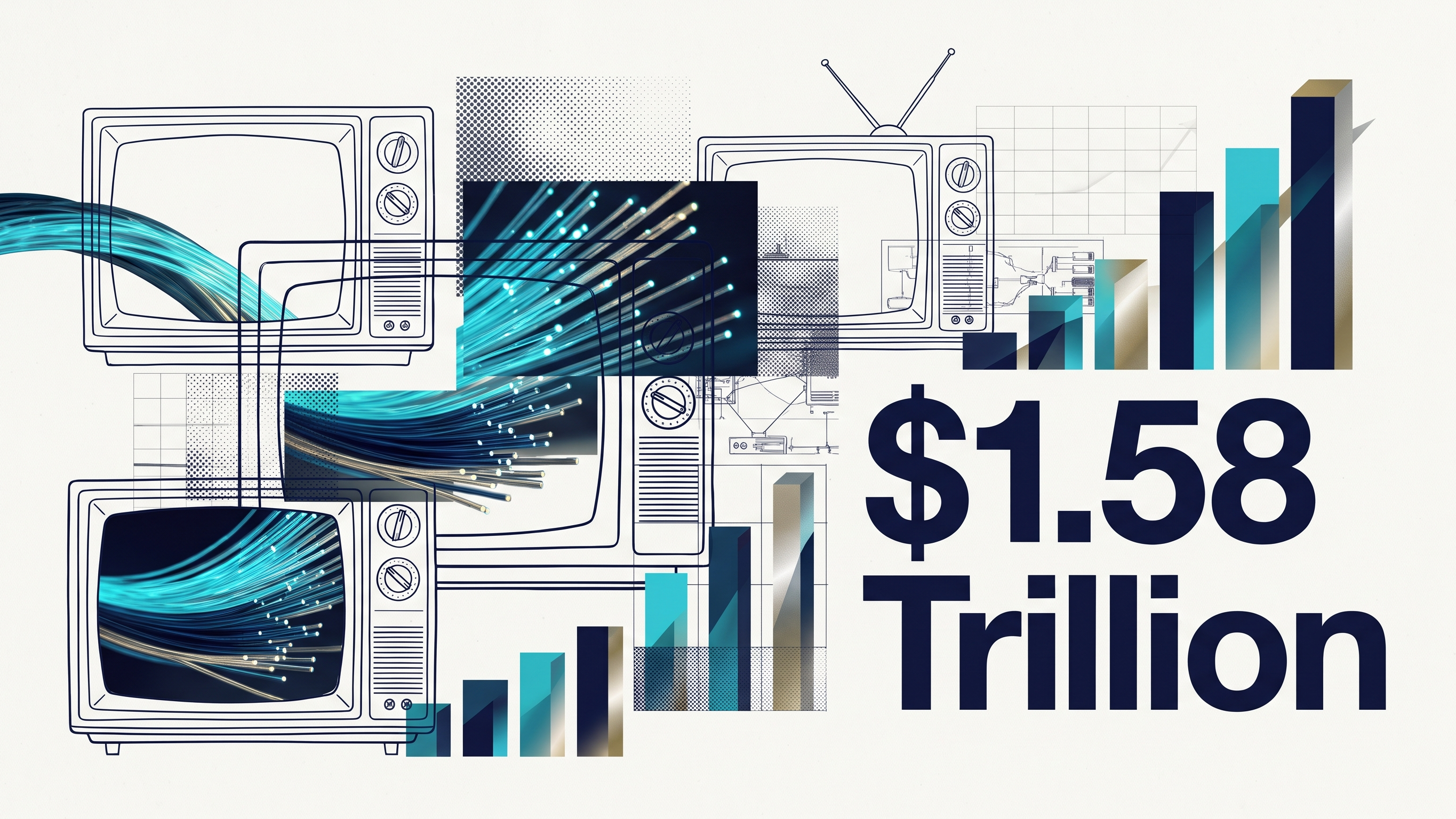
The global telecommunications and pay-TV services market continues to maintain positive momentum, despite ongoing economic headwinds across key regions.

The Russian Public Opinion Research Center (WCIOM) has released an analytical report highlighting the main film preferences of Russians in 2026. The survey results underscore a growing trend toward family-oriented content, established franchises, and projects based on intellectual property already familiar to audiences.

The summer–autumn 2026 TV season highlighted a clear differentiation in programming strategies among major Russian broadcasters, alongside sustained demand for fairy-tale franchises and crime dramas.
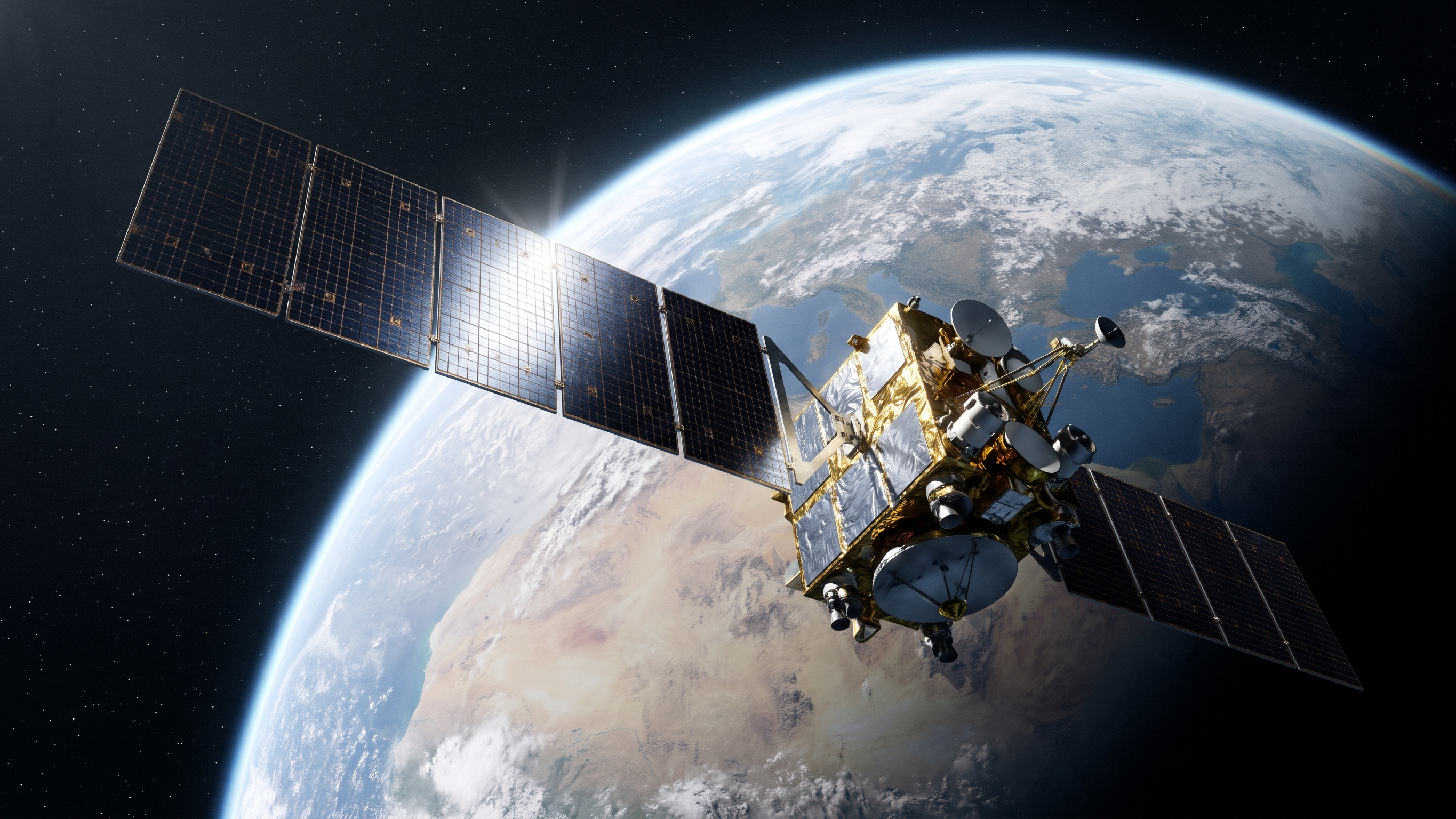
The global commercial geostationary orbit (GEO) satellite market is presenting a mixed outlook. According to a Q3 2026 analytical report by Caelum Space Leasing and data from Novaspace, new contract volumes have increased year-over-year; however, they cover only about half of the actual replacement demand for aging space infrastructure.
The Russian Digital TV advertising segment continues to demonstrate strong momentum. By the end of 2026, its volume could reach RUB 13.3 billion—a 49.4% surge compared to 2025 (RUB 8.9 billion), according to a study by the Association of Communication Agencies of Russia (ACAR).