



💲 Advertising Becomes the Primary Driver of Streaming Growth
At the MIPCOM international market, Guy Bisson, Executive Director and Co-Founder of Ampere Analysis, presented key trends transforming the streaming landscape.
At the MIPCOM international market, Guy Bisson, Executive Director and Co-Founder of Ampere Analysis, presented key trends transforming the streaming landscape.
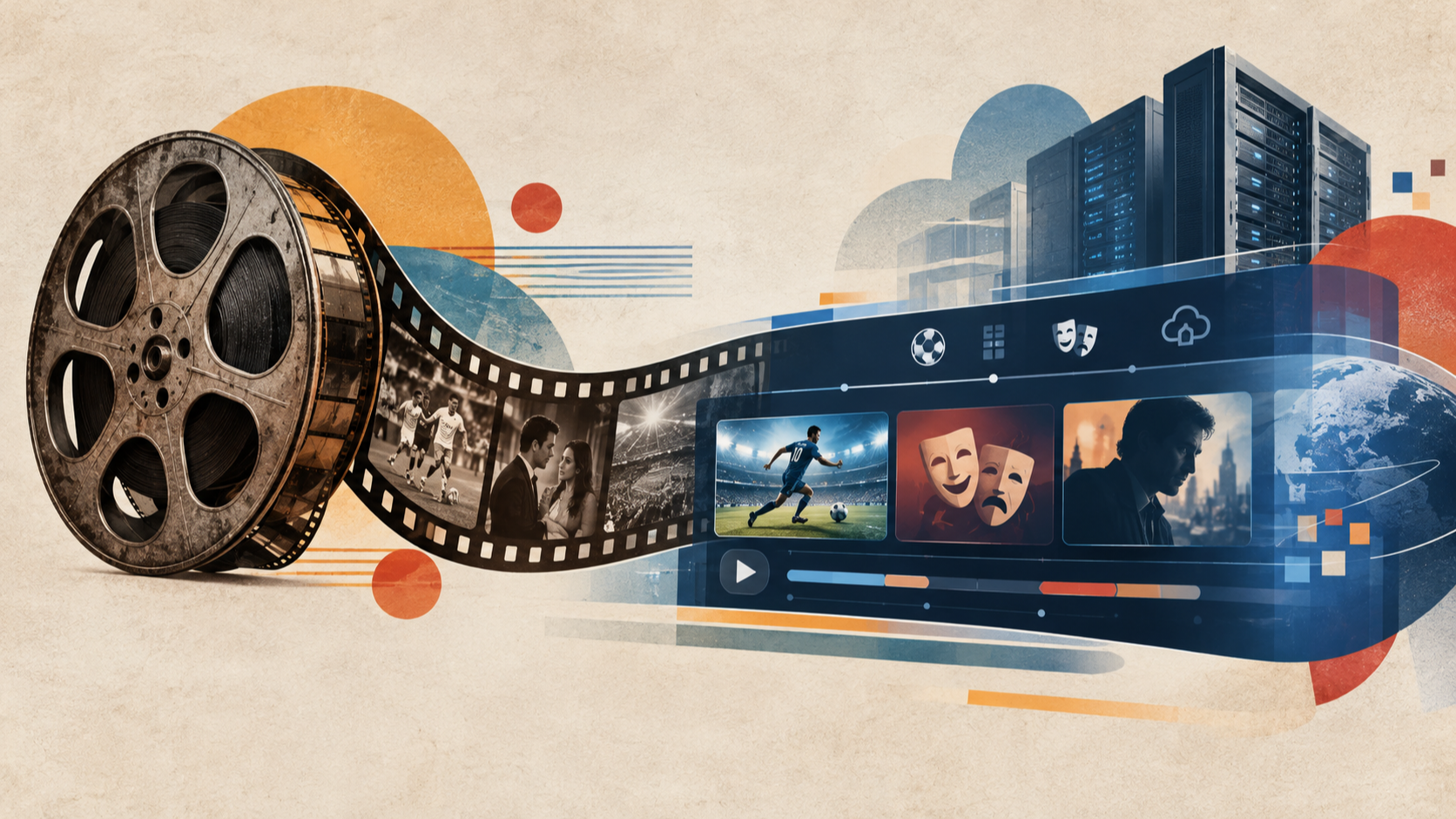
At the MIPCOM 2026 market in Cannes, research firm Glance presented the key trends shaping the global media industry.

At MIPJUNIOR 2026—the international market for children’s content in Cannes—research firm Glance presented its report titled “Next-Gen Viewing: Trends Shaping Kids’ Content.”

The audience for spoken-word audio is growing at a record pace, as listeners increasingly turn to audiobooks and podcasts as a deliberate alternative to screen time.
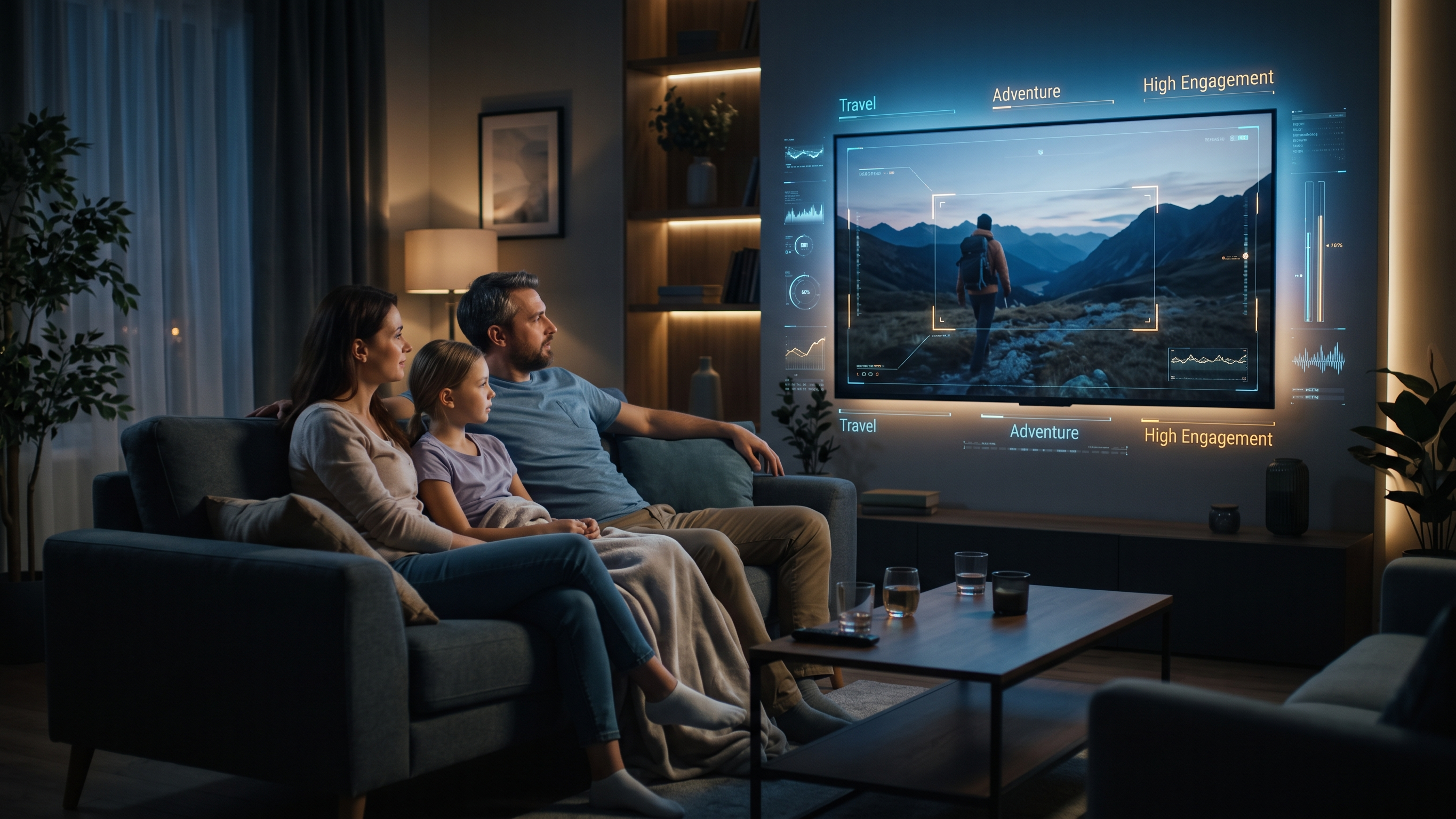
Blind audience targeting in Connected TV (CTV) is losing its relevance. For a long time, the market wrestled with a trade-off between the broad reach of linear TV and the precision of digital.

The audience of online streaming services in Russia continues to reshape media consumption habits. According to a September study by the Romir research holding (a sample of 1,500 respondents using the GRI methodology), the proportion of Russians who watch video content exclusively via streaming platforms rose by 4 percentage points over the year, reaching 21%.
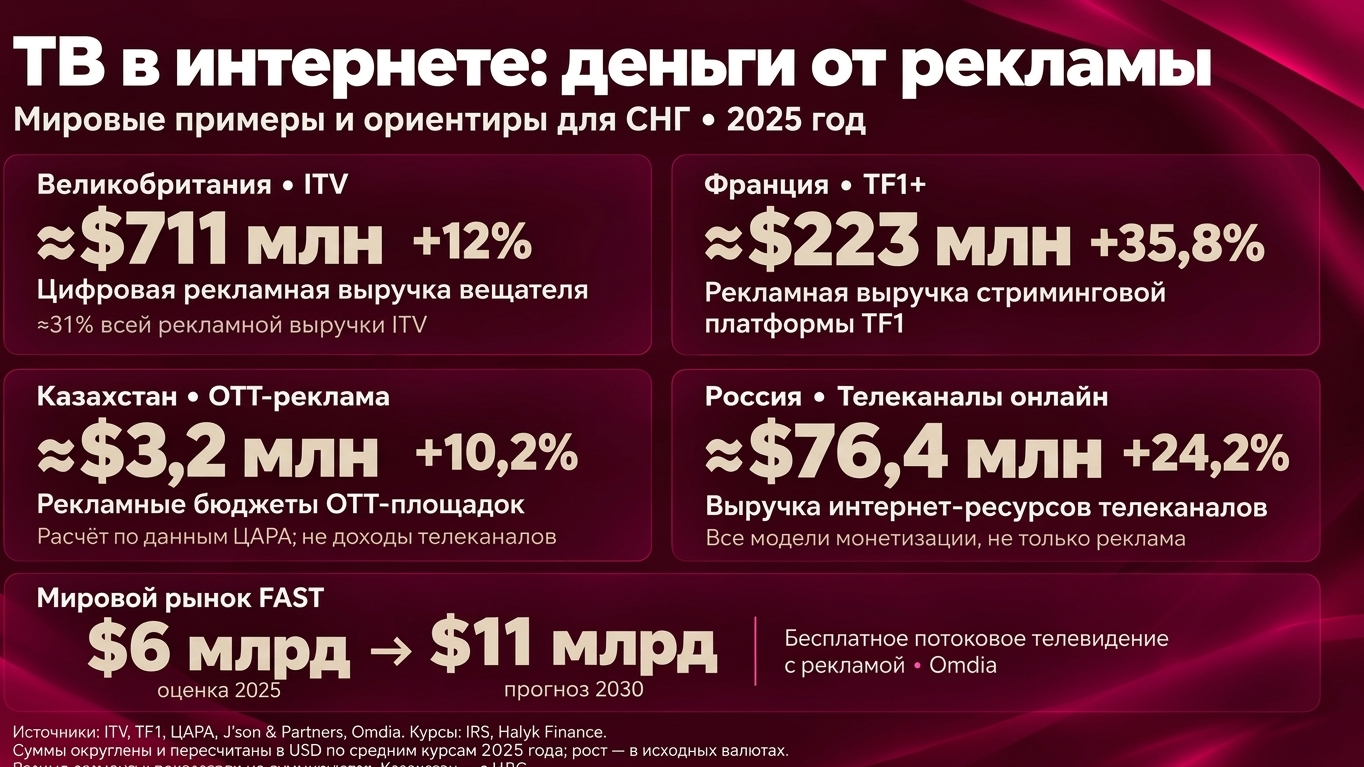
Traditional television is undergoing a fundamental transformation that can be summed up in a single sentence: media consumption is shifting to the digital space, forcing linear broadcasting to adopt the mechanics of the internet.
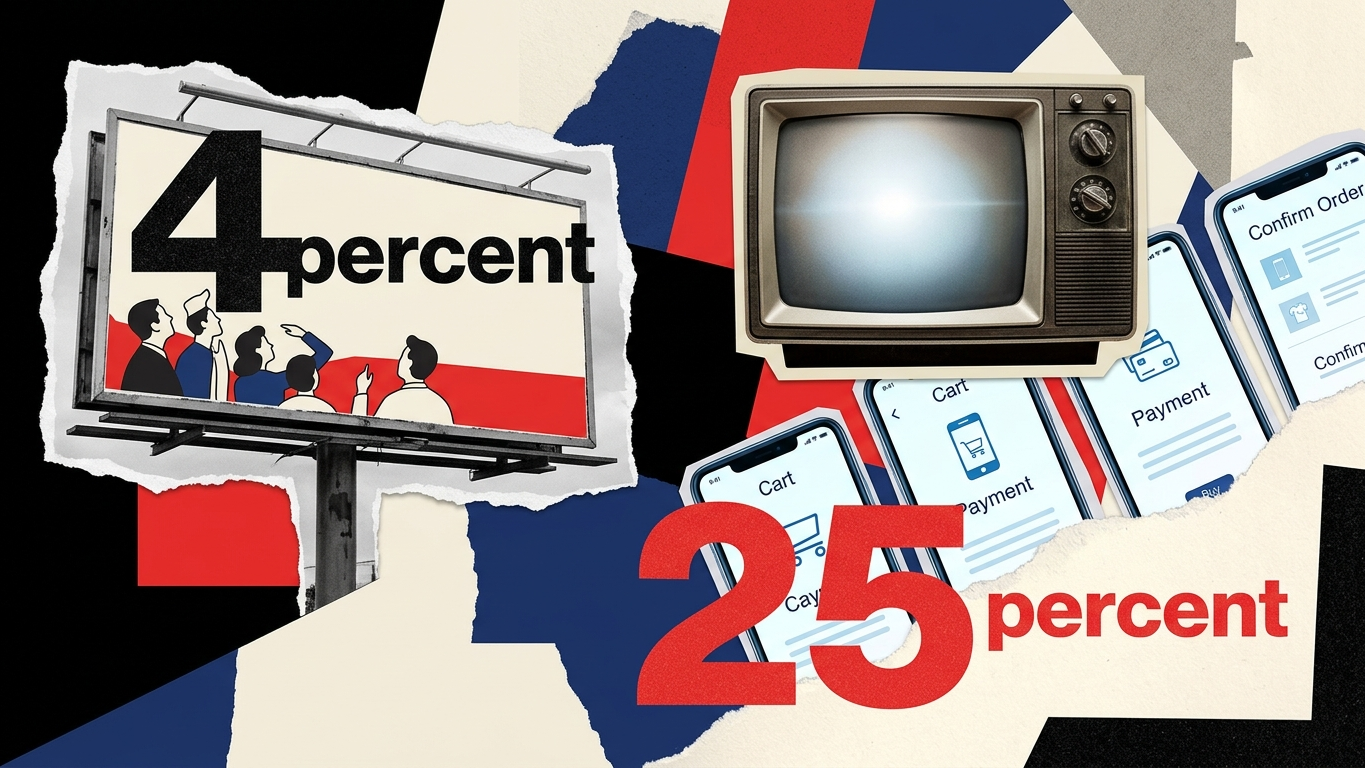
In the first half of 2026, the domestic advertising market maintained positive momentum, though its growth rate slowed significantly.
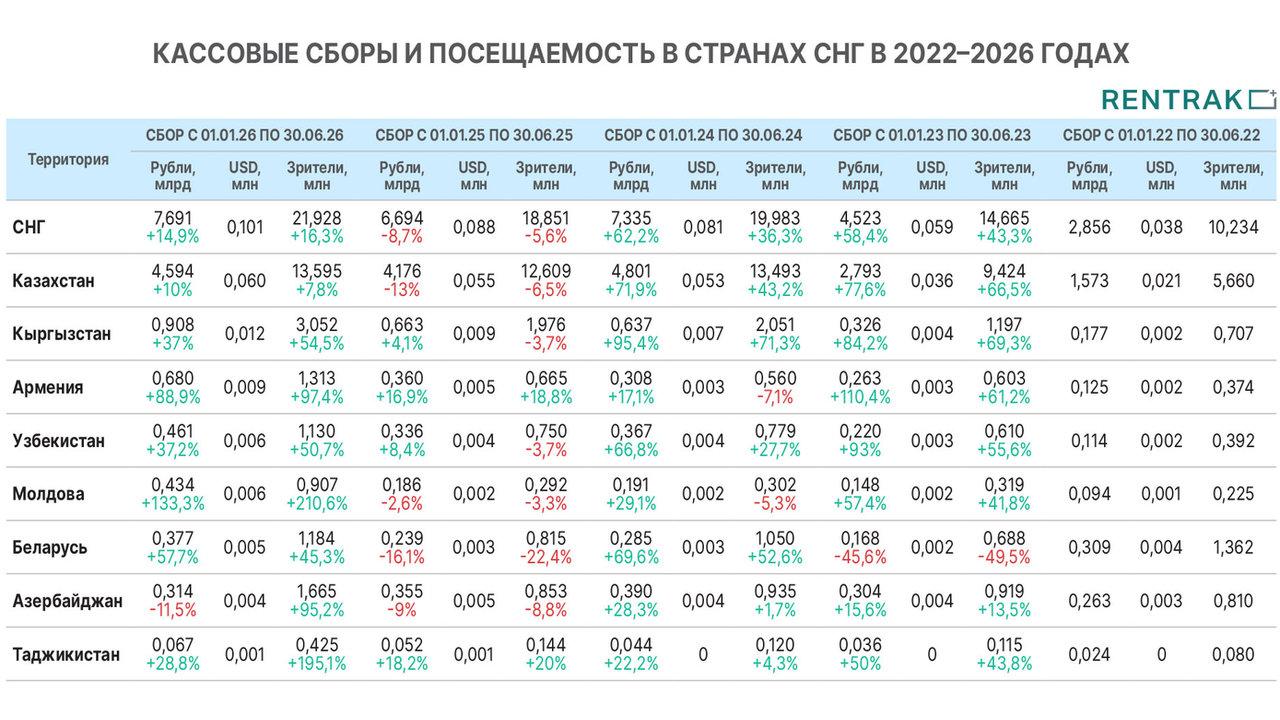
The first half of 2026 marked a period of robust recovery for the CIS film distribution market. According to Rentrak data, combined box office revenue across the region’s eight markets rose by 14.9% year-on-year, reaching 7.69 billion rubles.

Performance marketing has accustomed the industry to fast, transparent metrics and immediate audience response. Against this backdrop, traditional and Connected TV (CTV) find themselves in a vulnerable position: a significant portion of their impact is delayed or misattributed to lower-funnel digital channels.