



♻️ Entertainment market shifts from competition to ecosystem
The global entertainment industry is transitioning from fierce platform competition toward the creation of a unified, interconnected content ecosystem.
The global entertainment industry is transitioning from fierce platform competition toward the creation of a unified, interconnected content ecosystem.
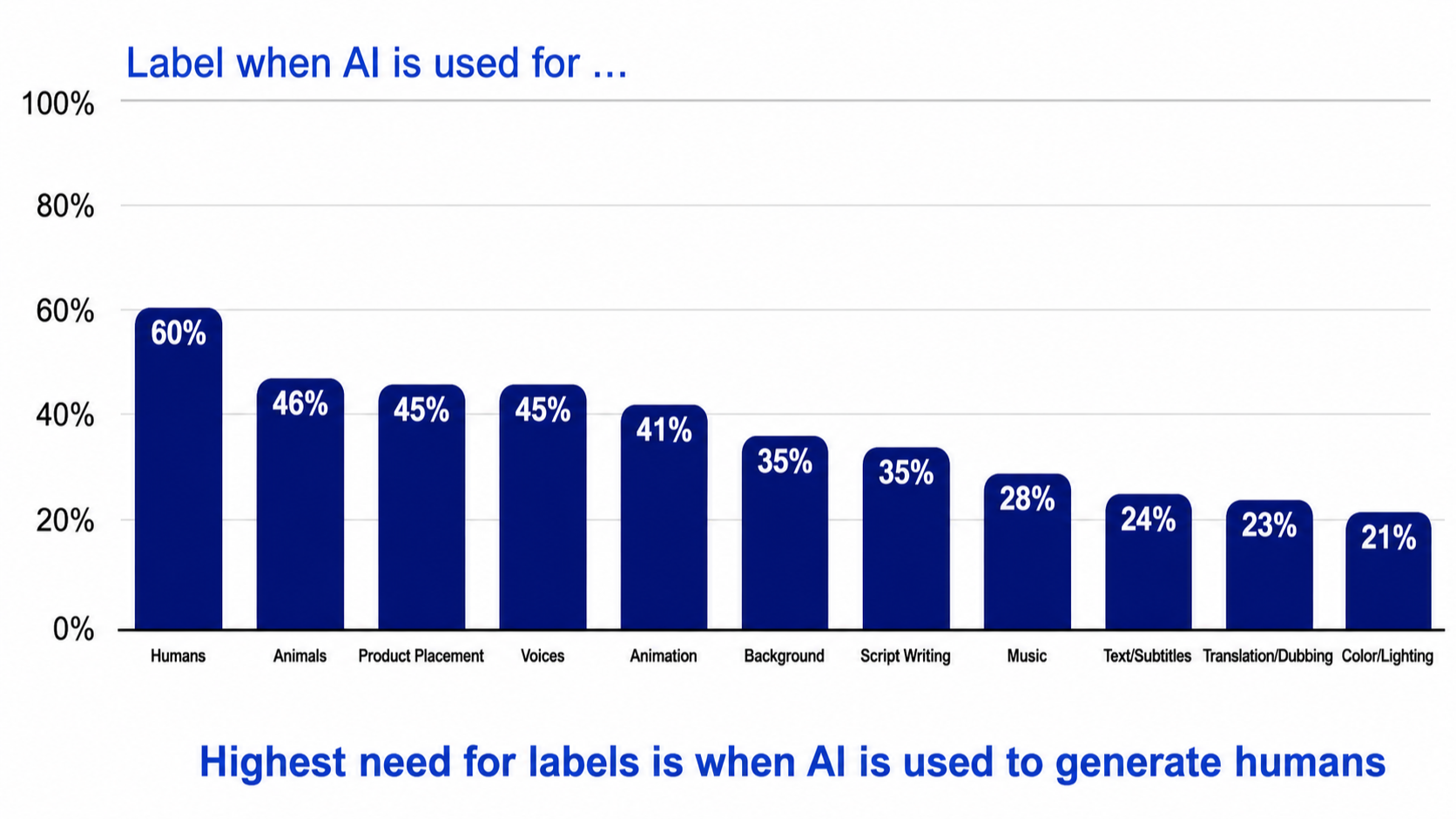
Amid mounting pressure from international regulators and digital platforms demanding mandatory disclosure of AI usage, research firm MediaScience has published reassuring data for the advertising industry.

Wurl, a leading streaming television technology company, has published a study examining brand safety during ad placements within FAST TV news programming.
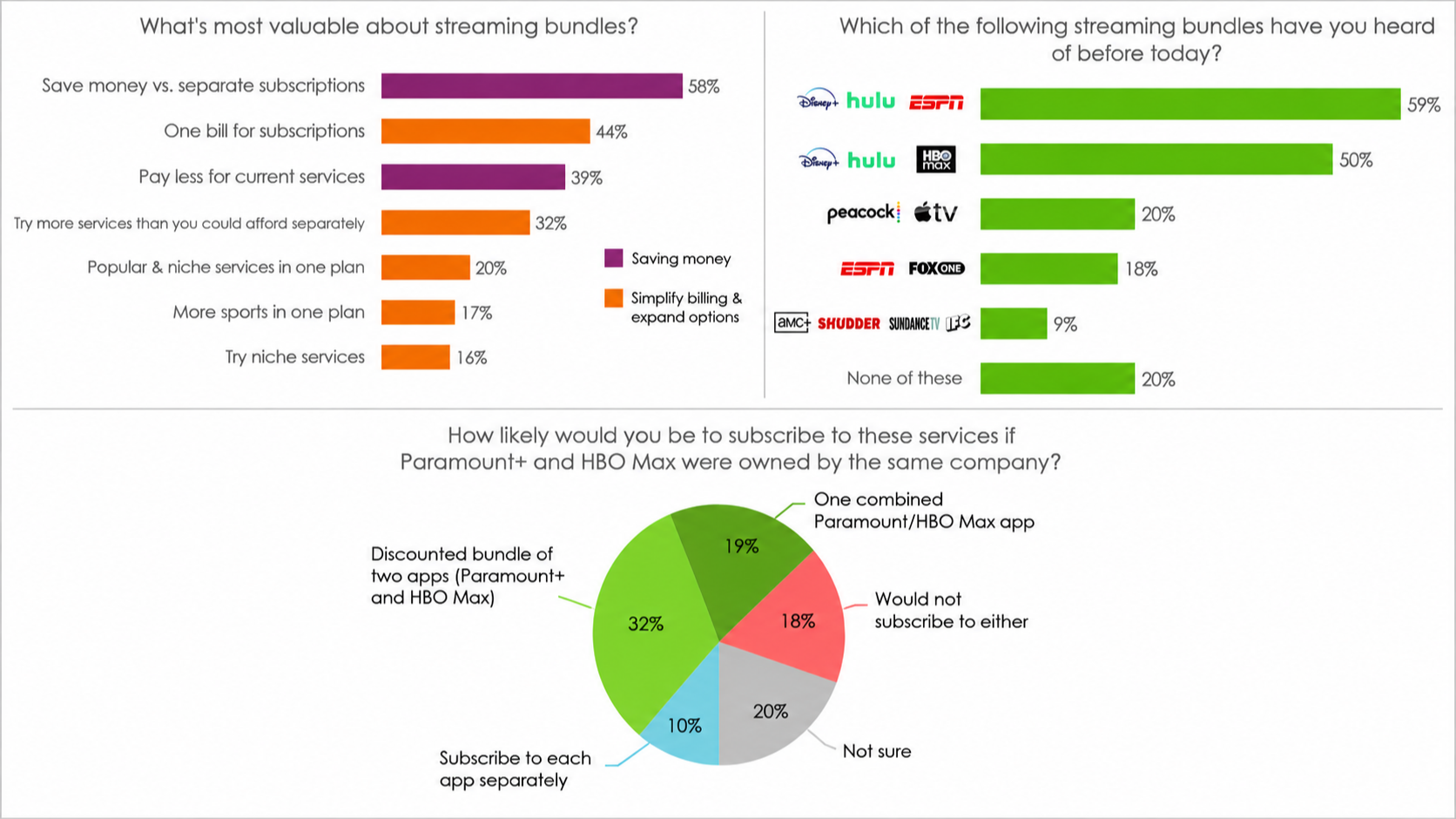
Consumers are increasingly feeling the financial squeeze from rising media service costs; in the US, the price of many premium subscriptions has already crossed the $20-a-month threshold.
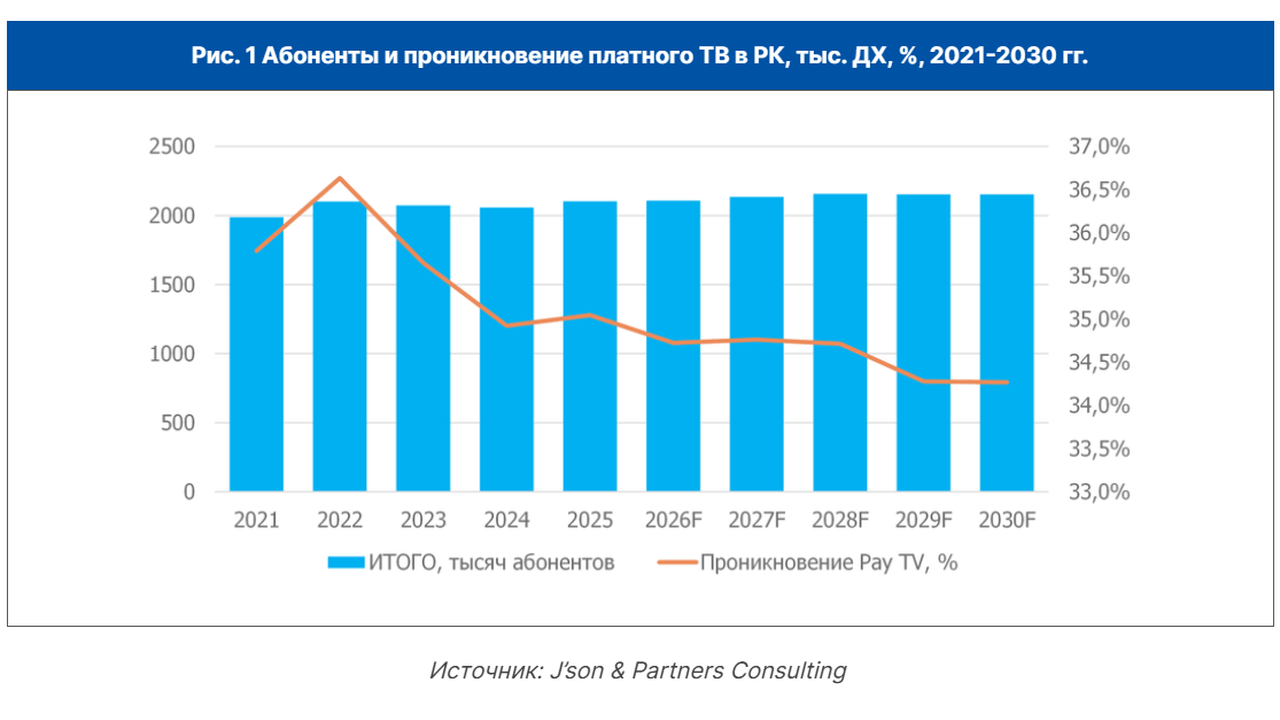
By the end of 2025, the pay-TV market in Kazakhstan demonstrated moderate growth alongside a profound technological transformation.
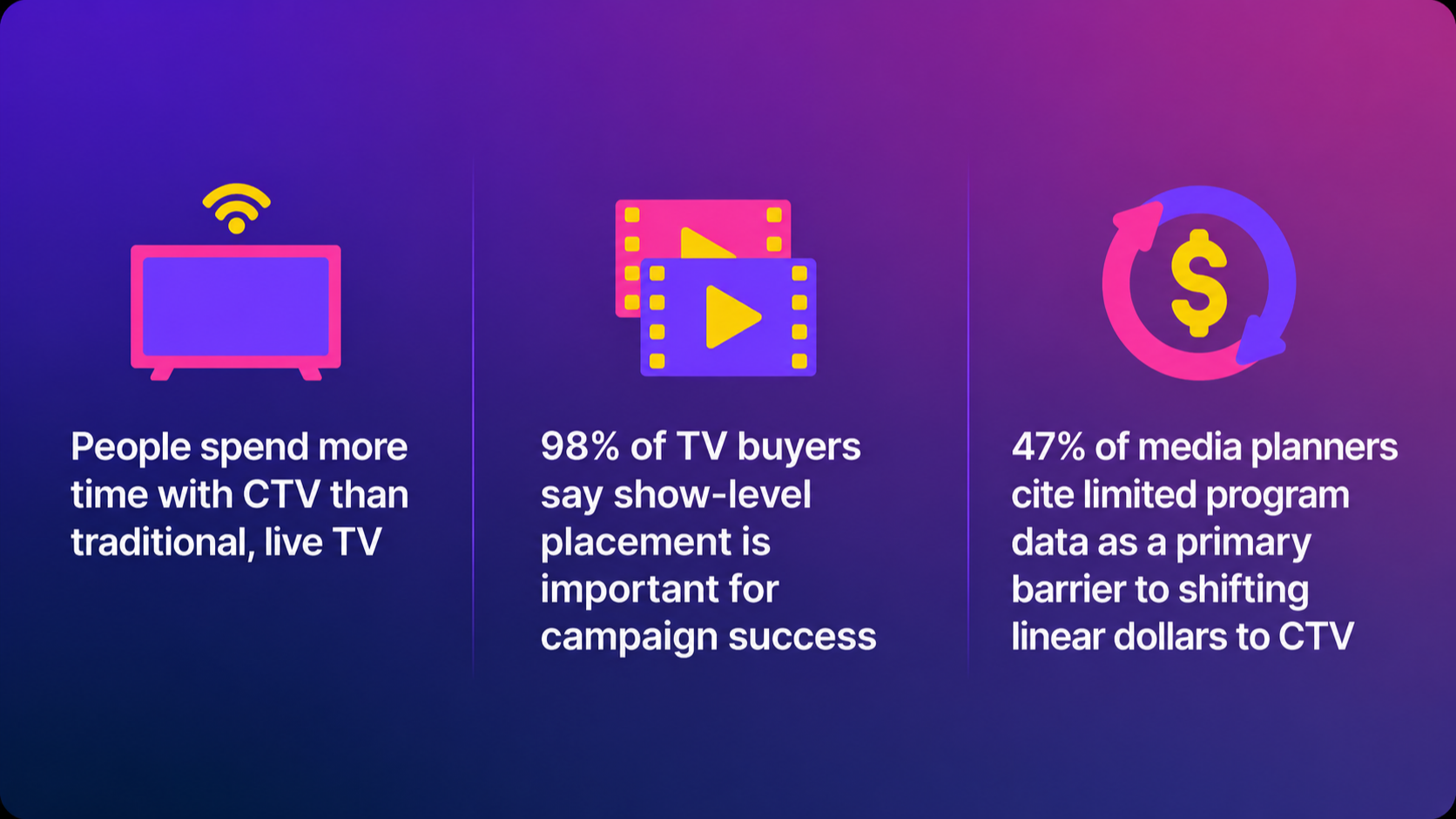
Gracenote, a Nielsen company, has released a report on budget allocation in Connected TV (CTV). The primary takeaway is that market growth is hitting a bottleneck due to a severe lack of transparency.

In April 2026, Russian viewers demonstrated a sharp resurgence of interest in U.S.-produced content. According to the “Kinopoisk Pro Index,” the share of audience attention directed toward American projects increased 1.5 times year-on-year, reaching 34%.
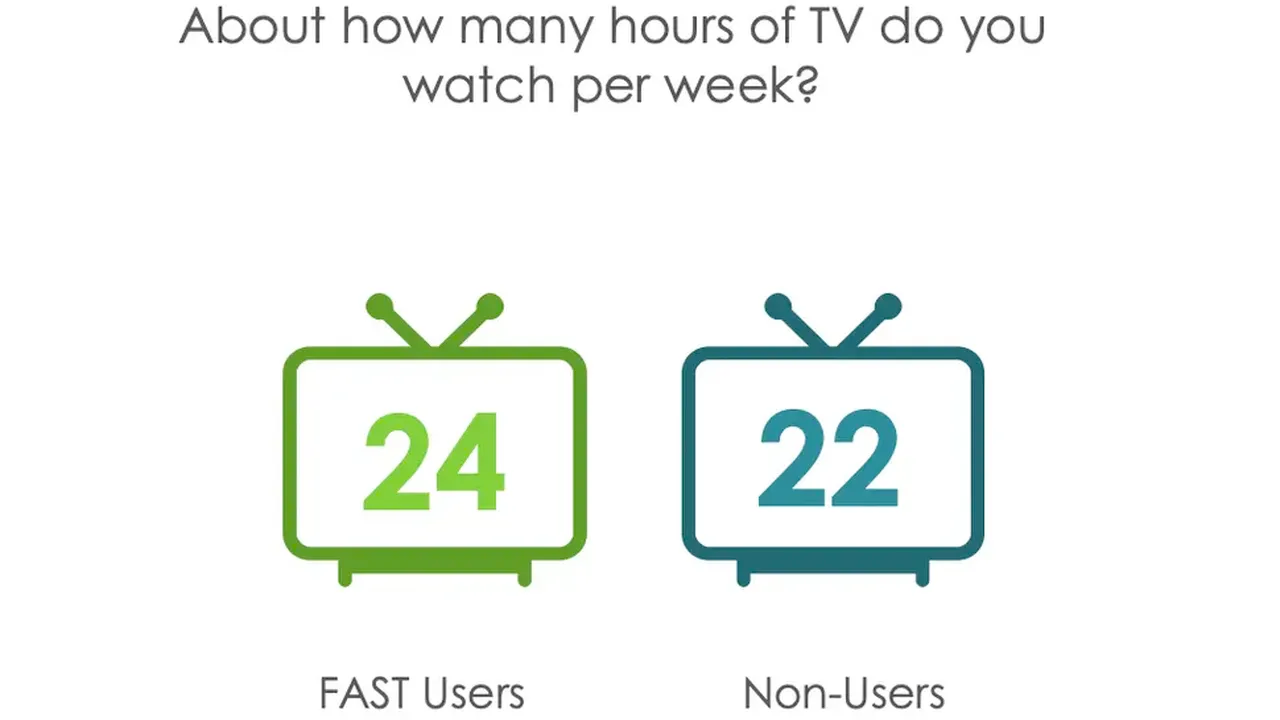
According to a report by Hub Entertainment Research, 55% of American viewers now use FAST (Free Ad-Supported Streaming TV) services, with nearly half of them describing the format as “essential.”

According to a recent report by PwC, the valuation of sports media rights will cease to be the primary growth driver for the industry in the coming years. Experts warn that the market must adopt more flexible revenue models to keep pace with a dramatic shift in fan behavior.

Medialogia has released its Russian Series Rating (RSR) for the first quarter of 2026. The study reveals a unique market dynamic: while Western hits achieve record-breaking scores during peak release windows, domestic linear TV projects ensure the long-term dominance of Russian content.