



🧠 Generative AI Could Boost Russia’s GDP by Up to 9.8%
The development and large-scale deployment of generative artificial intelligence (GenAI) technologies could significantly impact the Russian economy.
The development and large-scale deployment of generative artificial intelligence (GenAI) technologies could significantly impact the Russian economy.
On September 1, 2026, Russia’s foundational Federal Law No. 243-FZ “On Supporting the Development of Artificial Intelligence Technologies in the Russian Federation” officially came into force. For the first time, the document legally defines the concepts of “sovereign” and “national” foundational AI models (with 1 billion parameters or more) and establishes rules for using domestic infrastructure.

Online streaming platform Kion, in collaboration with cybersecurity firm F6, has tracked down an illegal content distributor and brought the case to criminal prosecution.

The Russian theatrical box office is showing a noticeable surge. The combined weekend gross of the top 20 films in Russia reached 647 million rubles (rising to 693 million rubles when including the CIS region). This represents a 7.2% increase compared to the previous week and nearly a 20% jump over the same period in 2025.

The short film Maut by Yakut director Dmitry Davydov will be screened at the 42nd Interfilm International Short Film Festival Berlin, taking place from November 10 to 15, 2026.

Between July 2025 and July 2026, the number of telecom operators in Russia fell by 17%, dropping to just over 7,000 companies. The volume of issued licenses saw a proportional decline, shrinking to 21,000.

F6 has released its rankings of the most popular film and TV titles among pirates for September 2026. The selection includes projects with the highest number of illicit copies on torrent trackers and shadow streaming services.
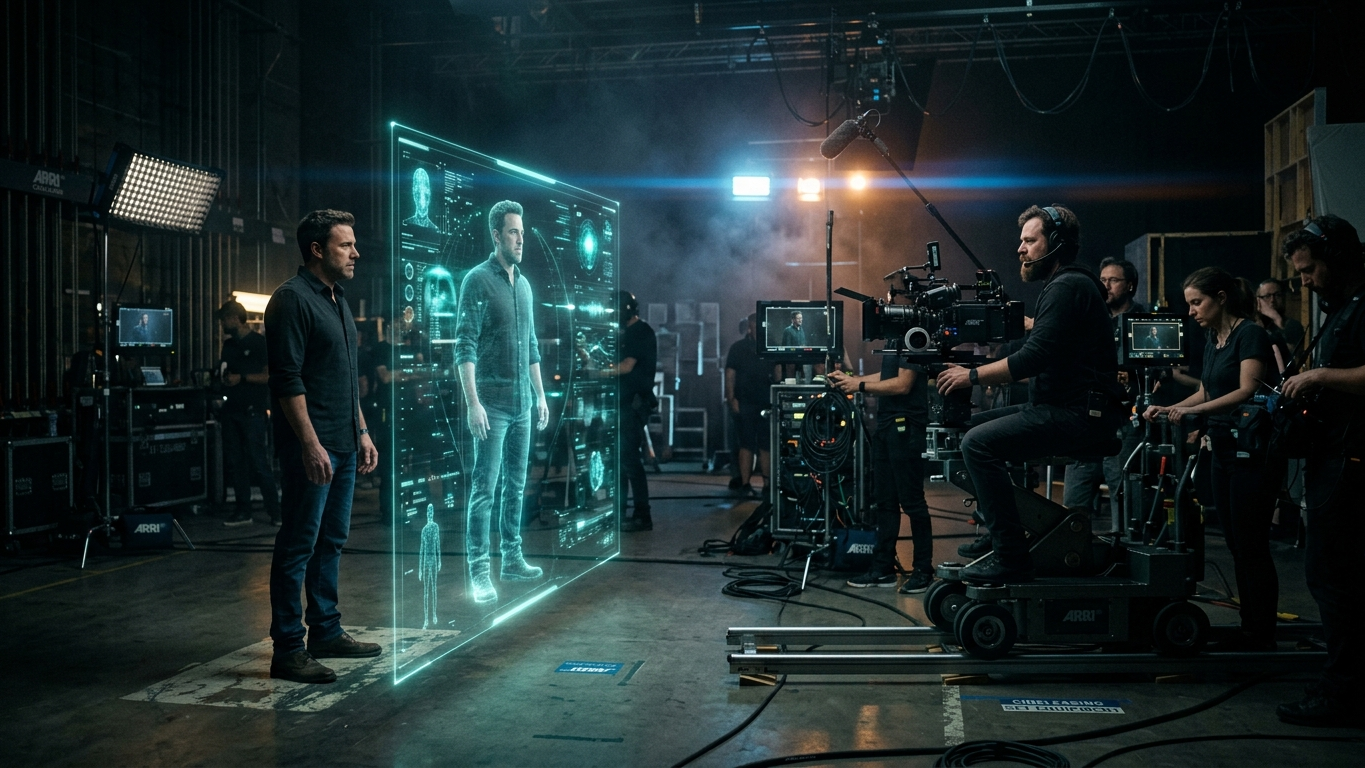
At the XII St. Petersburg International Cultural Forum, a session titled “AI in Feature Films” brought together producers, top executives from major media holdings, and streaming services to discuss how neural networks are reshaping film production—from optimizing budgets to creating fully generative feature films.
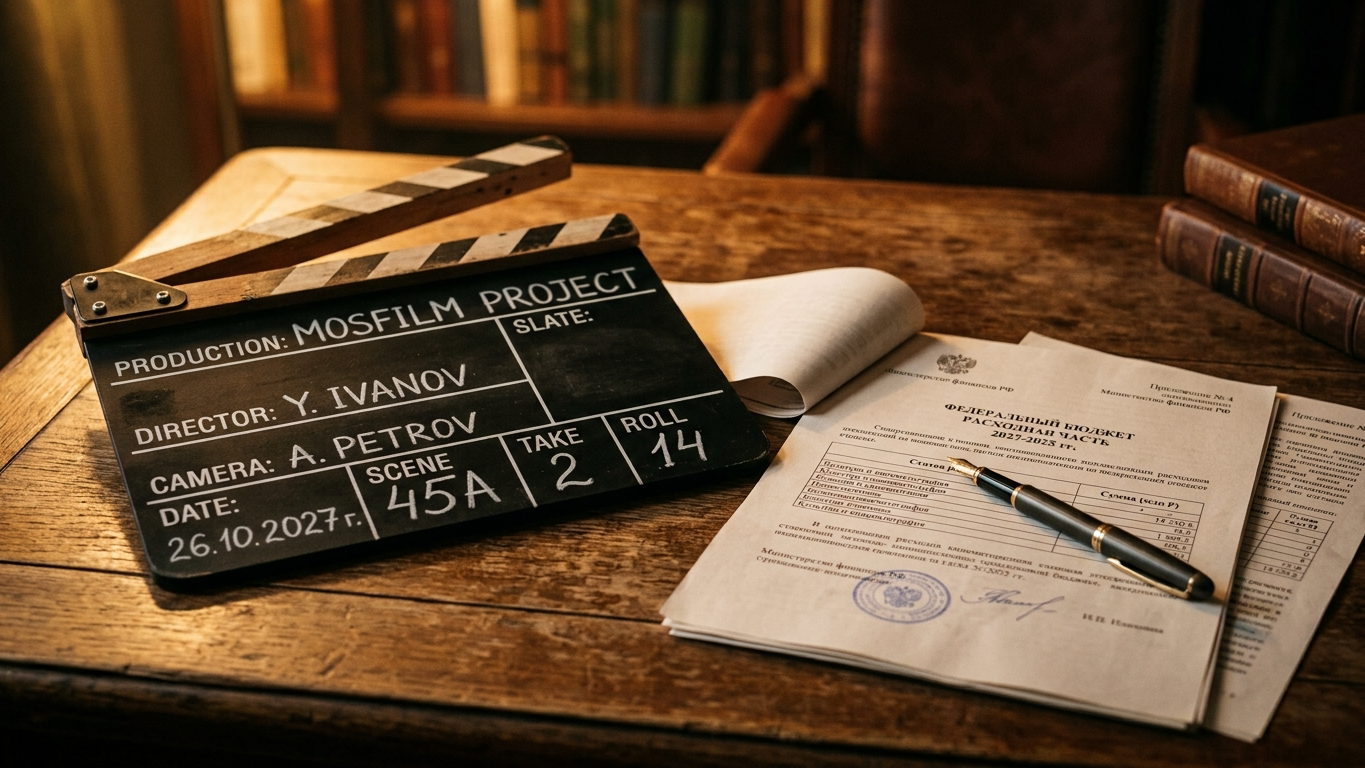
The draft federal budget for 2027 and the planning period of 2028–2029 has been submitted to the State Duma. The document outlines the key financing parameters for the domestic film industry and digital content production over the next three years.

The Russian film industry is facing a new wave of tightening constraints on permissible storylines for projects seeking state funding.