



📱 The Logic of Micro-Drama Excludes the Use of AI
The Realist International Vertical Web Series Festival in Ivanovo kicked off its business program with a masterclass titled “The Full Lifecycle of a Micro-Drama: From Script to Screen.”
The Realist International Vertical Web Series Festival in Ivanovo kicked off its business program with a masterclass titled “The Full Lifecycle of a Micro-Drama: From Script to Screen.”

A group of Russian entrepreneurs has petitioned the Moscow branch of the Investigative Committee, demanding the initiation of a criminal case against Oleg Vorobyov, the alleged beneficial owner of the well-known teleshopping channel Shop&Show, and his wife, Natalya Bryleva.

Over the past five years, the cumulative revenue of Moscow-based animation companies has more than doubled, climbing from 3.9 billion rubles in 2019 to 8.3 billion rubles. These figures were disclosed by Gulnara Agamova, CEO of the Creative Industries Agency (AKI), during a recent press conference.

When major Western media conglomerates announced their exit from the Russian market in 2022, skeptics predicted a profound crisis for domestic television, characterized by endless reruns of archival films.
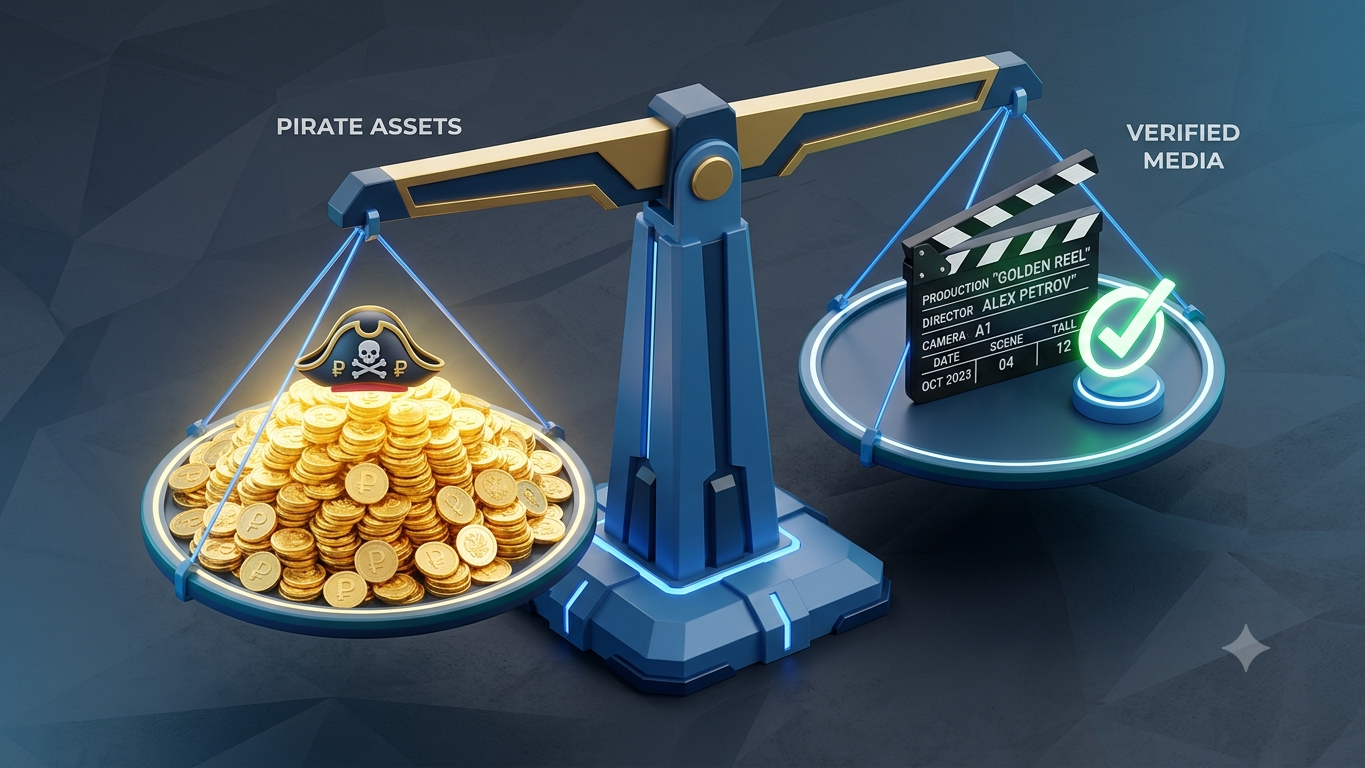
The Russian theatrical market has been hit by another wave of “alternative screenings.” Following the past weekend, shadow-market releases surged to the top spot of the domestic box office rankings, led by the animated hit Toy Story 5.
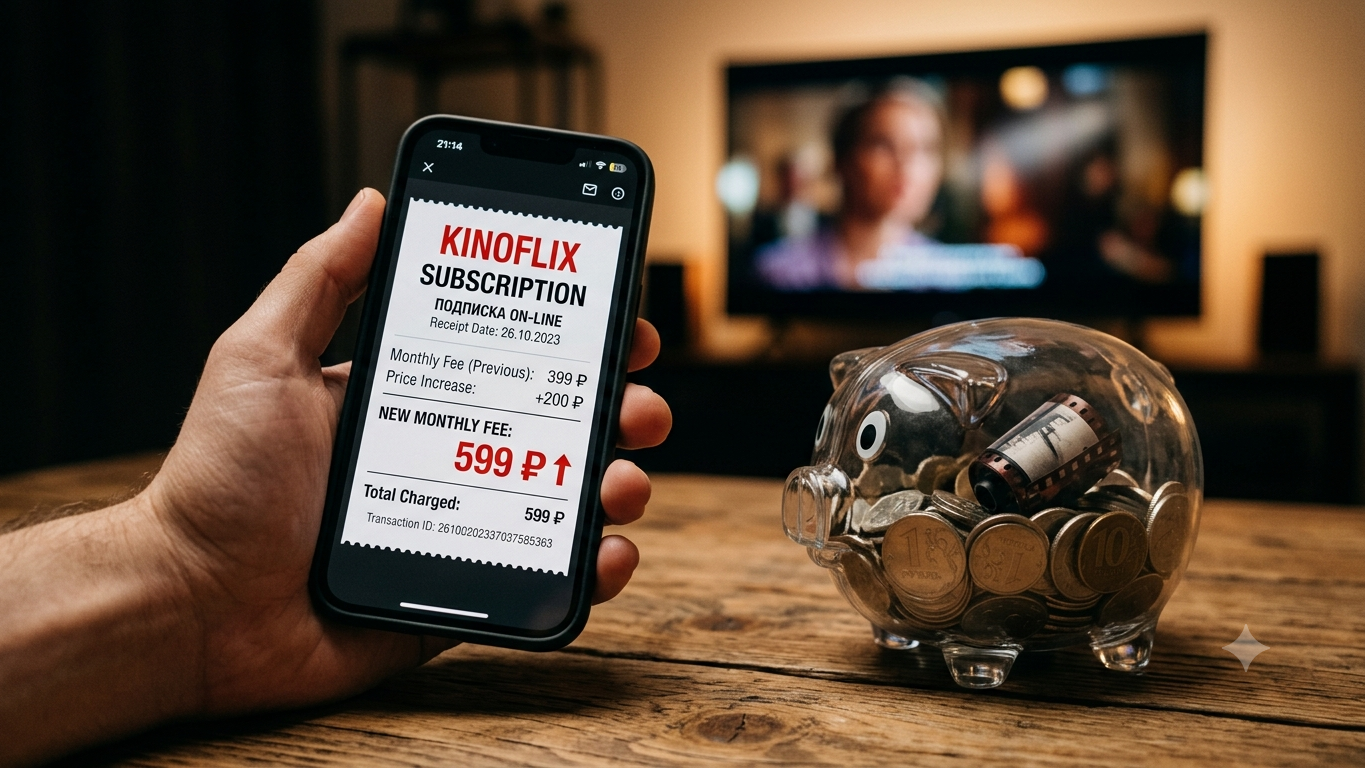
The Russian media market is on the verge of a regulatory overhaul that, under the banner of protecting domestic content, could reshape the economics of both traditional theatrical distribution and the OTT segment.

The international footprint of Russian cinema continues its eastward expansion. From July 18 to 25, 2026, the Malaysian capital of Kuala Lumpur will host its first-ever Russian Film Week.
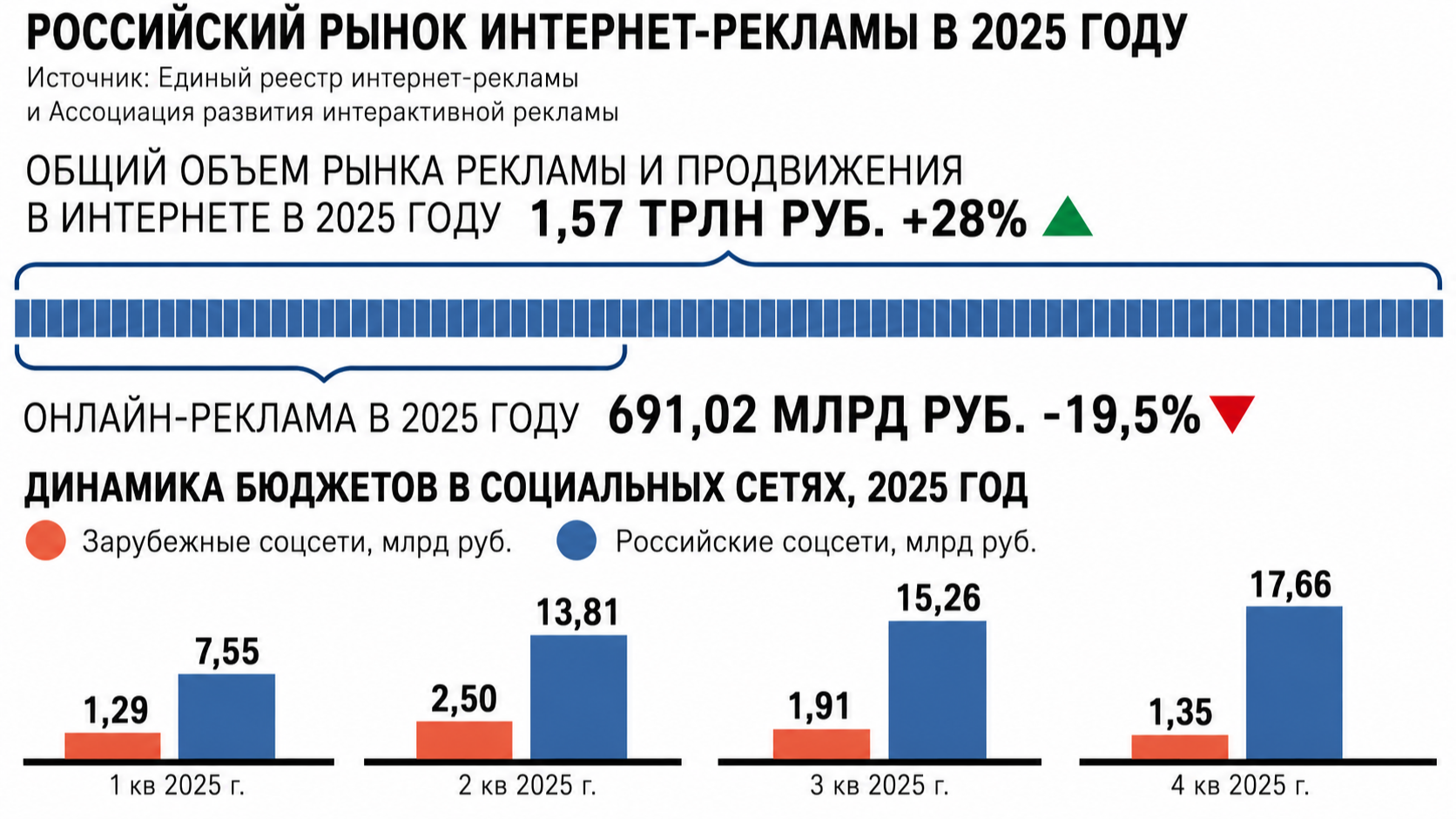
The Russian interactive advertising market has encountered a significant discrepancy between official government statistics and expert estimates from leading industry associations.

The Asian wave in Russia has shifted its trajectory, expanding beyond pure on-screen entertainment to become a comprehensive cultural and consumer phenomenon.

The Russian OTT market continues its trajectory toward deep ecosystem integration and bundling. The video service Rutube (part of Gazprom-Media Holding) has announced the launch of a joint subscription bundle with the online cinema Kion (owned by MTS).