


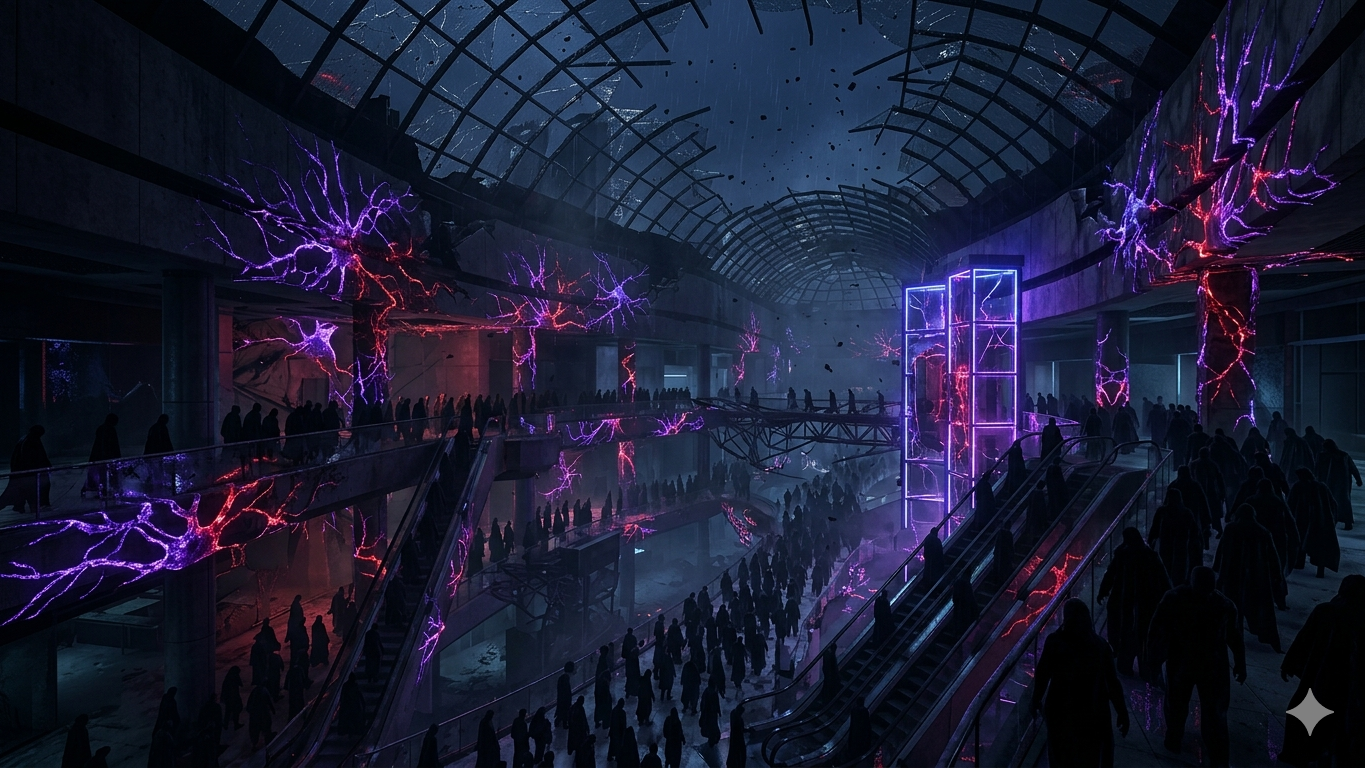
🧟♂️ Zombie Horror Leads South Korean Box Office
The local action-horror feature Colony maintained its hold on the number-one spot at the South Korean box office over the past weekend.
The local action-horror feature Colony maintained its hold on the number-one spot at the South Korean box office over the past weekend.
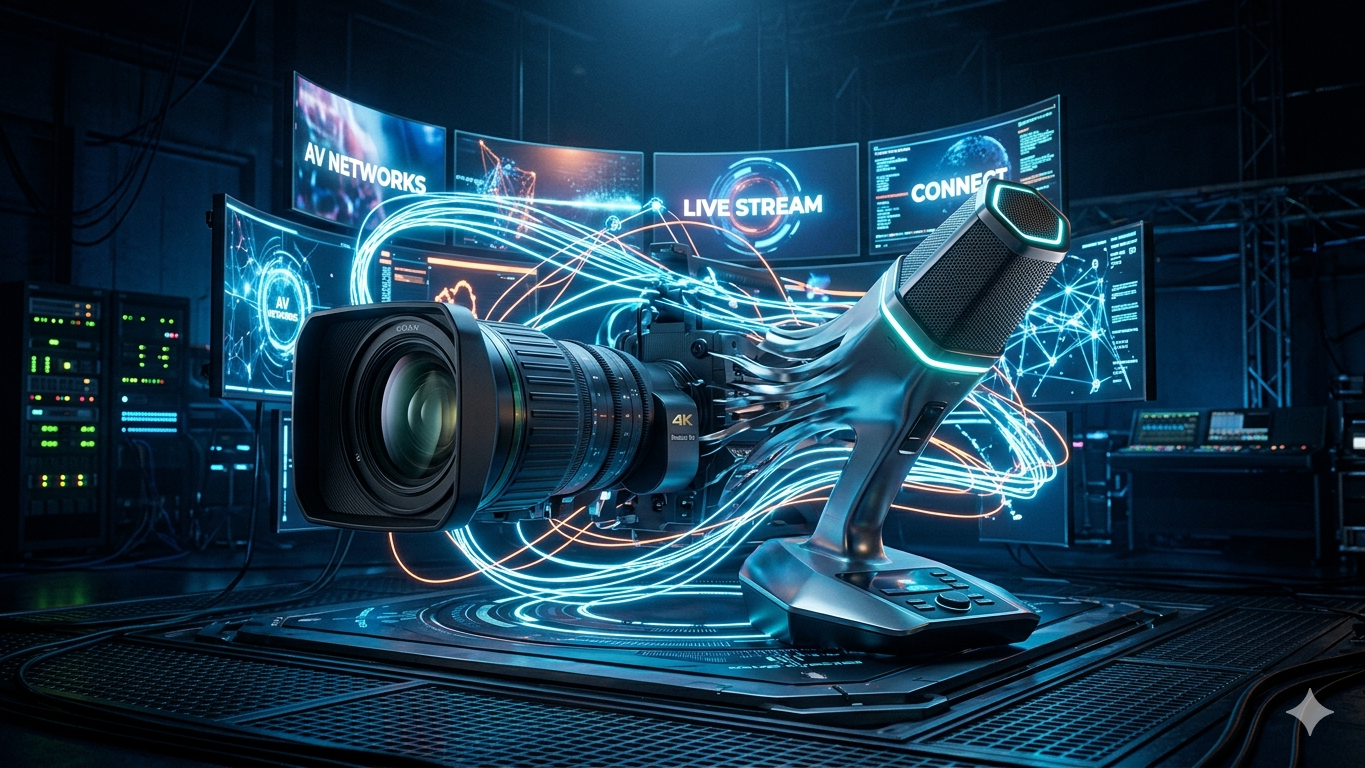
Ahead of the major AV and Broadcast Summit scheduled for June 24, Robert Ambrose, co-founder of the analytical agency Caretta Research, has presented a detailed analysis of the key trends emerging at the intersection of broadcasting technologies and professional audiovisual solutions.
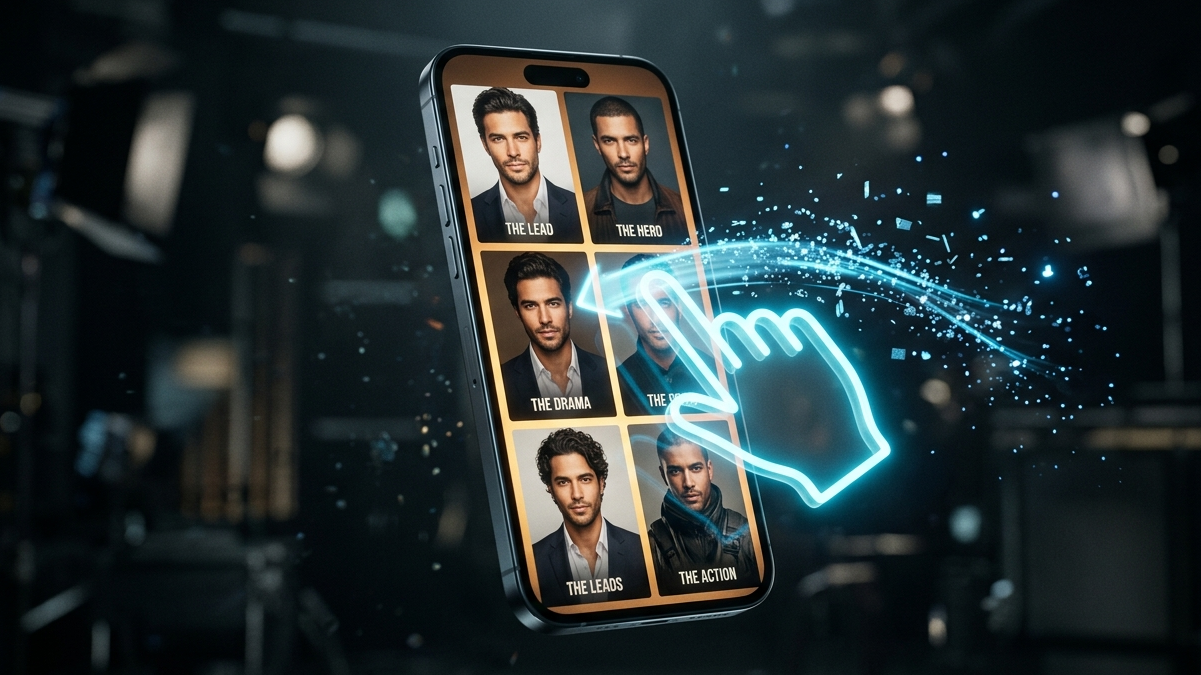
The industry of short vertical series and micro-dramas, which has become a multi-billion dollar business in Asia and the US, continues to develop its own technological infrastructure.

The low-budget family drama Dear You, produced by Jinant Film & TV, continues its triumphant run in Chinese theaters. According to consulting firm Artisan Gateway, the film comfortably topped the national box office over the past weekend, grossing $17 million.
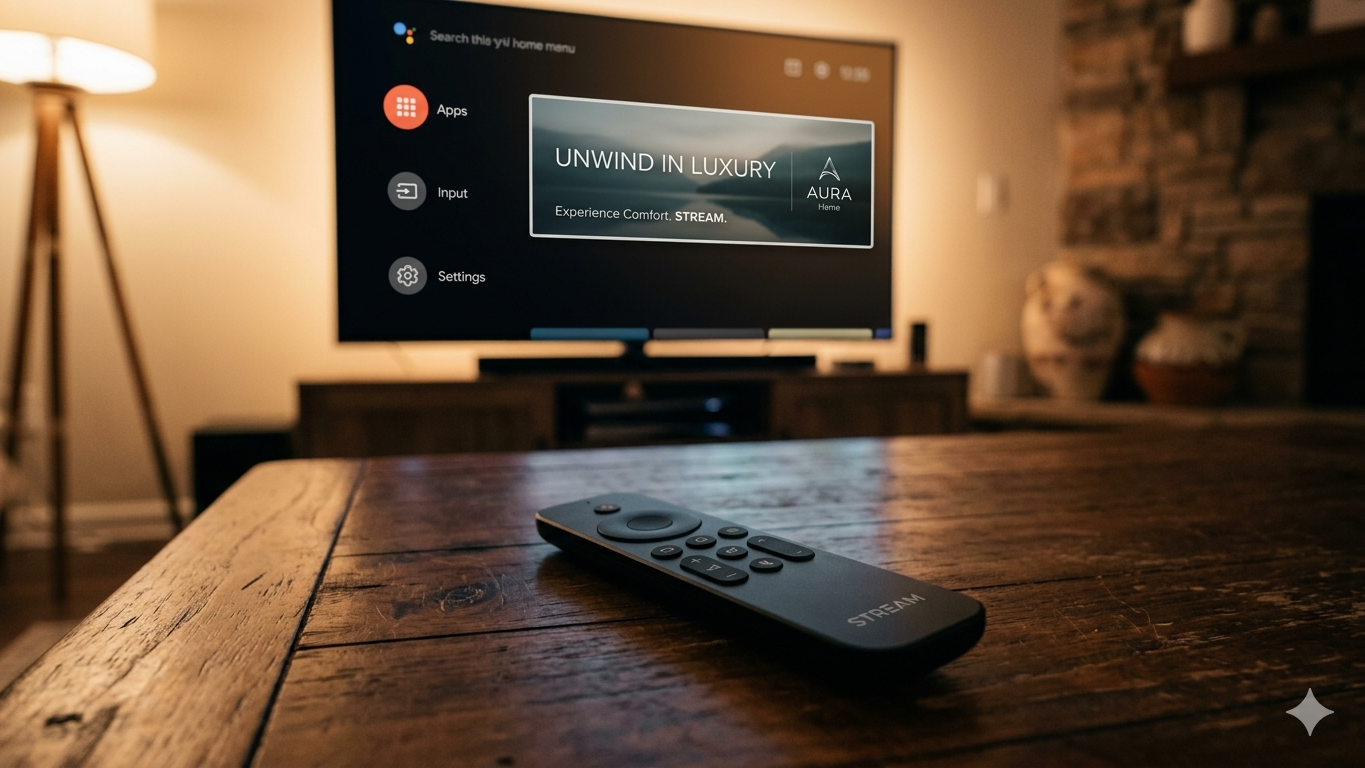
European streaming platform Rakuten TV has presented its “Beyond the Break” study, which examines the transformation of the Connected TV (CTV) advertising market. The findings indicate that the European Smart TV market has entered a qualitatively new stage of maturity.
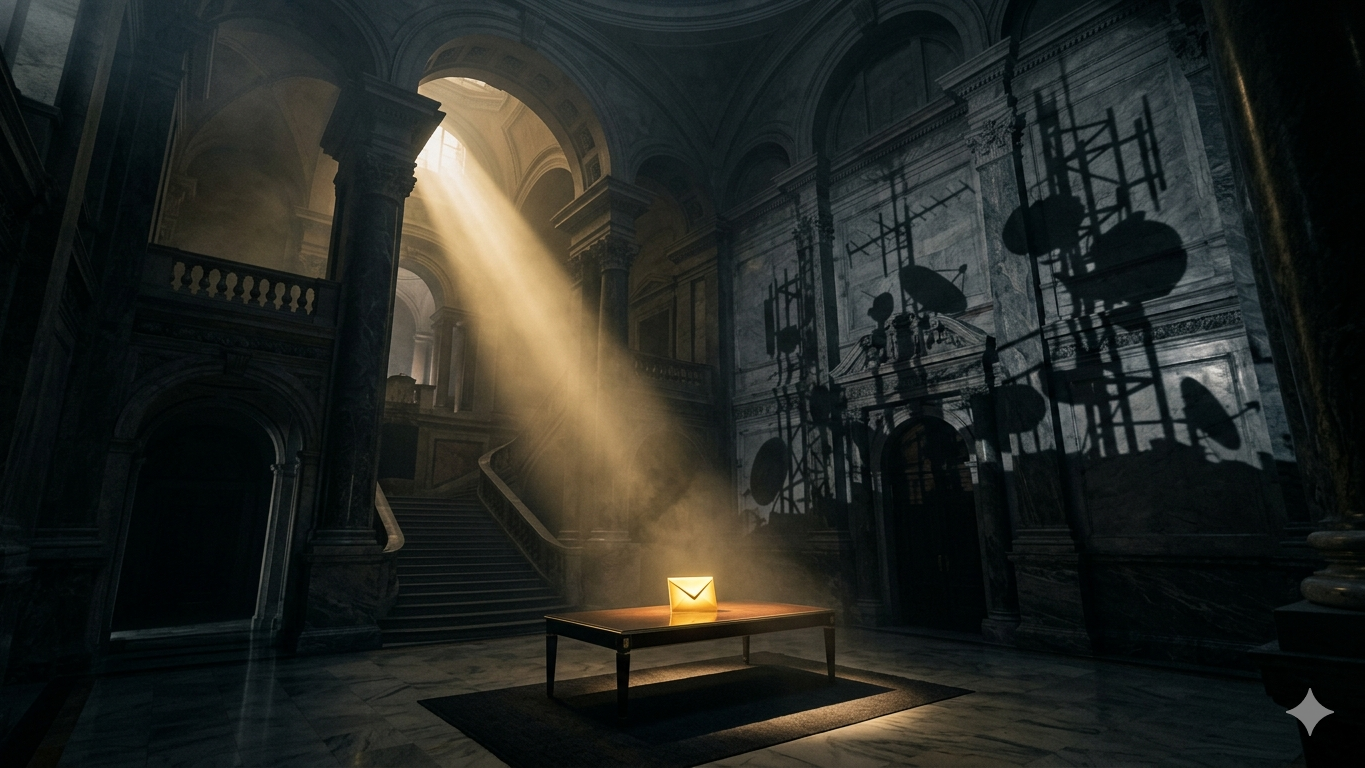
Europe’s leading broadcasting and publishing industry associations have issued a joint emergency letter to EU ministers ahead of the upcoming Telecoms Council meeting.
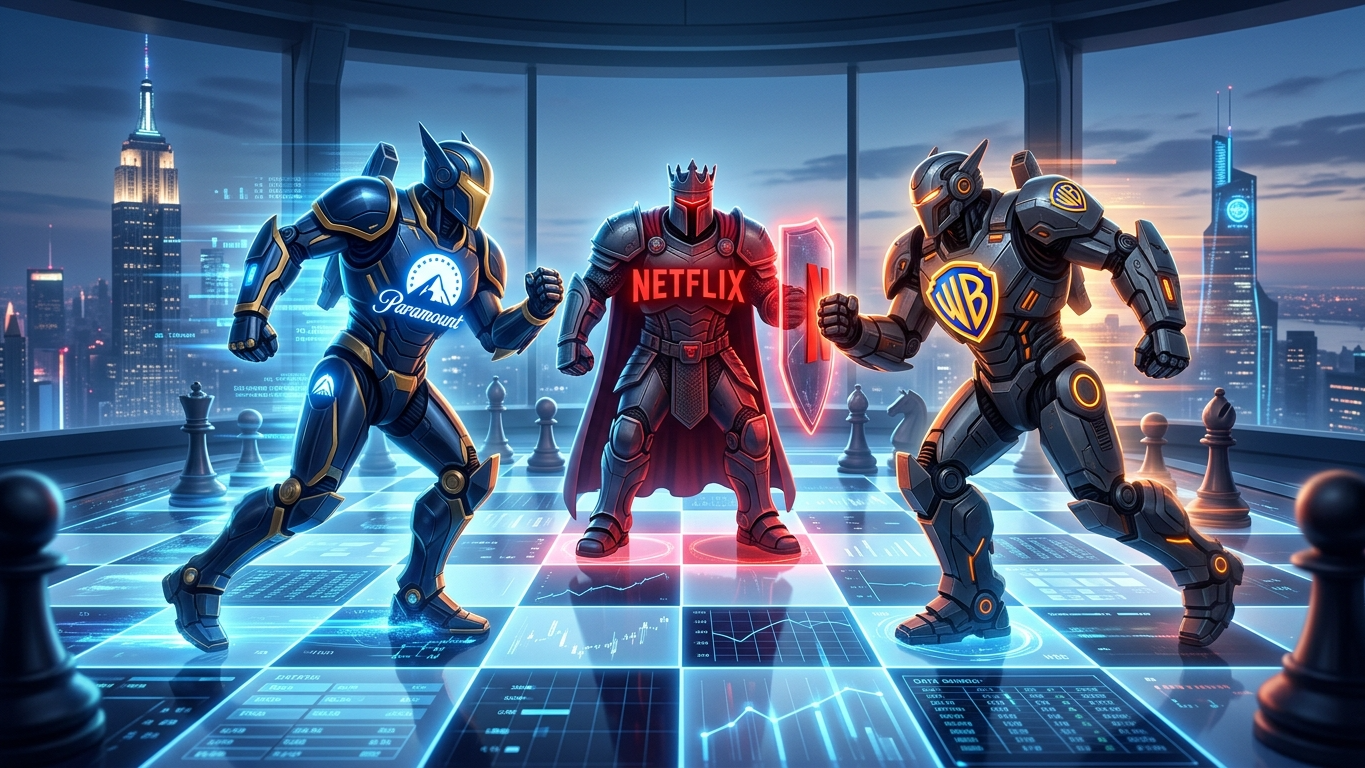
Media conglomerate Paramount Skydance has filed a formal complaint with the US Department of Justice, launching a fierce attack against streaming platform Netflix.

Artificial intelligence is rapidly integrating into the music industry, defying stereotypes by becoming a working tool not so much for novices, but for seasoned professionals.

The animated feature Super Mario Galaxy Movie, a co-production between Illumination, Nintendo, and Universal, has become the first film project to cross the $1 billion milestone worldwide in 2026. The movie achieved this historic result during its tenth weekend in theaters.

Toy manufacturer Hasbro has announced the creation of Sixth Wall, an independent AI studio. The primary objective of the new division is to protect the company’s intellectual property from hundreds of thousands of unauthorized generations on third-party AI platforms, while providing partners with official, “verified” digital twins of iconic characters for integration into new interactive formats.