



©️ YouTube Removes AI Videos Featuring Disney Characters
Google has removed dozens of videos created with artificial intelligence from YouTube following a formal copyright compliance demand from Disney.
Google has removed dozens of videos created with artificial intelligence from YouTube following a formal copyright compliance demand from Disney.

Josh Withrow of the R Street Institute warns about the dangers of new US legislative proposals (FADPA and BlockBEARD) that would require ISPs to block foreign pirate websites.

Netflix’s planned acquisition of Warner Bros. (including HBO and HBO Max) would create the largest streaming player in Scandinavia if the services are merged, Mediavision reports.

In the United States, director Carl Erik Rinsch, hired by Netflix to create the science-fiction series Conquest, has been convicted of fraud totaling $11 million.
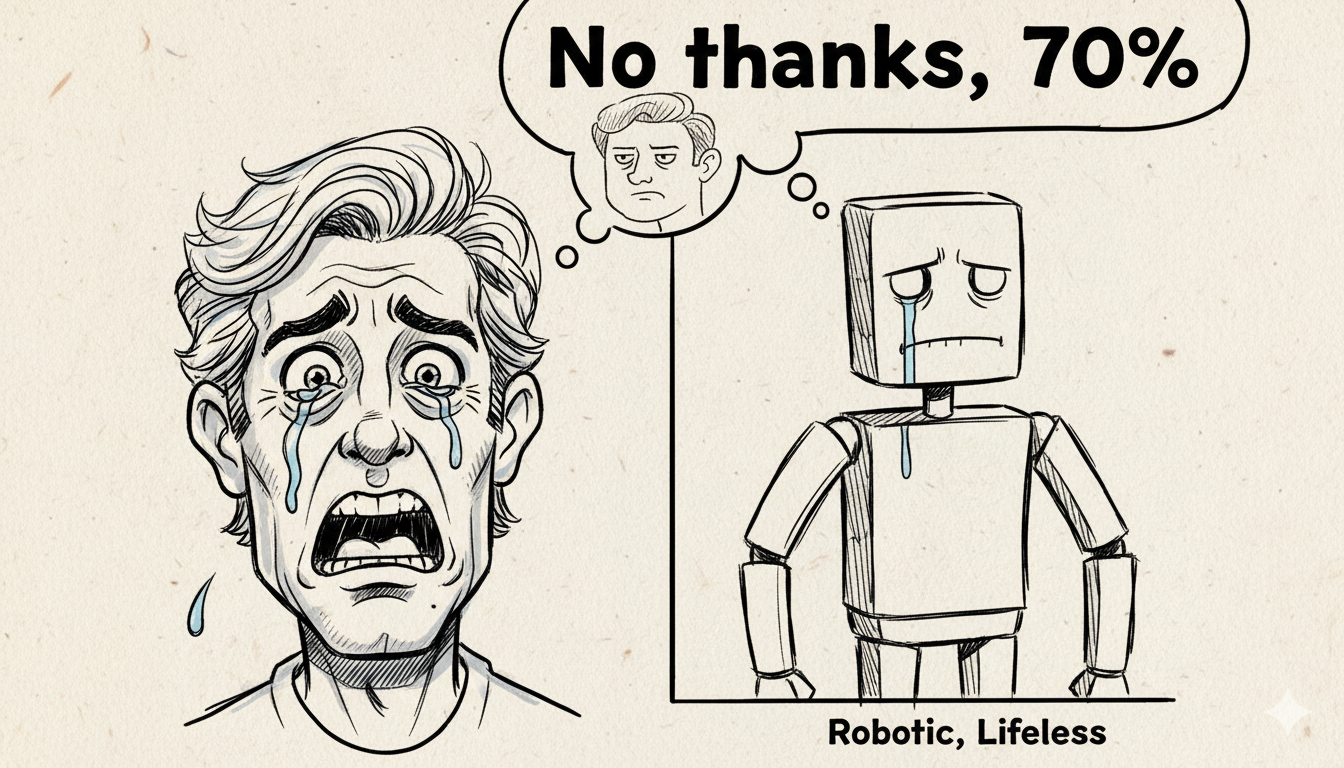
A study by Deadline found that the most engaged viewers of vertical micro-dramas watch them daily (64%) and choose projects based on the participation of their favorite actors.
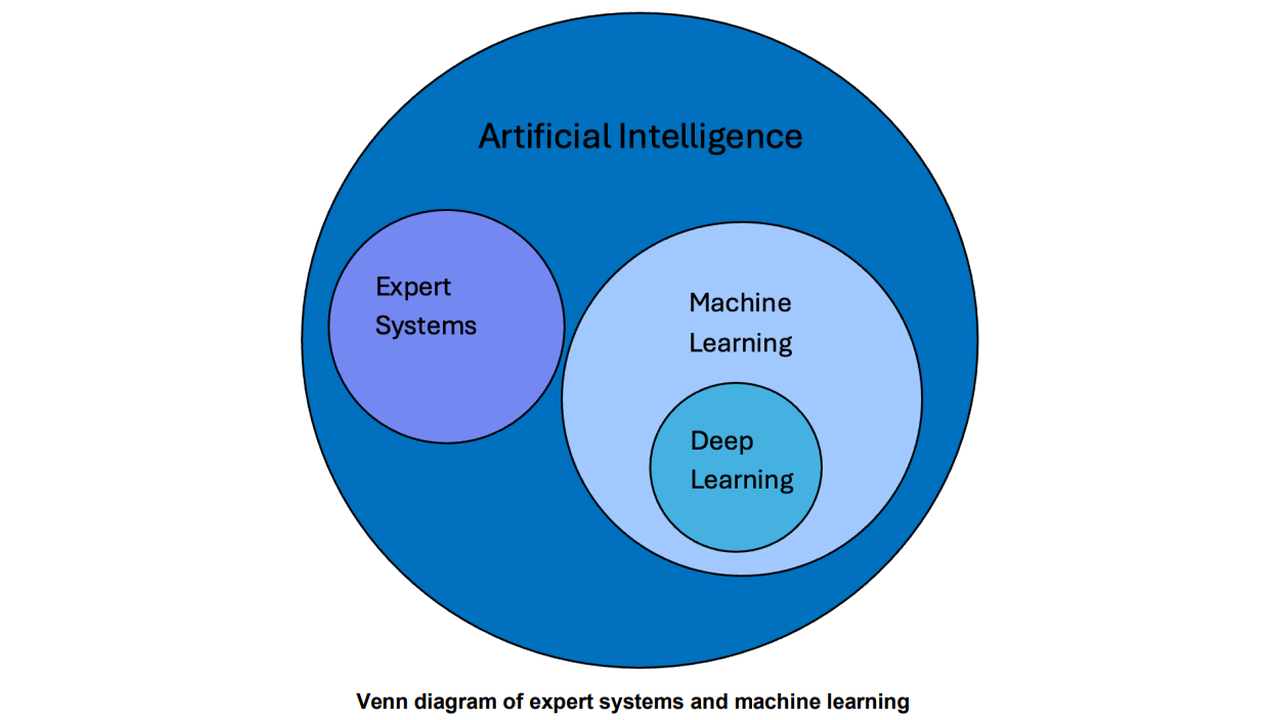
The Society of Motion Picture and Television Engineers (SMPTE), in collaboration with the European Broadcasting Union (EBU) and the Entertainment Technology Center (ETC), has published an updated technical report on the impact of AI on the media industry.

AppsFlyer has published a report showing how AI reshaped consumer behavior and marketing strategies in 2025.
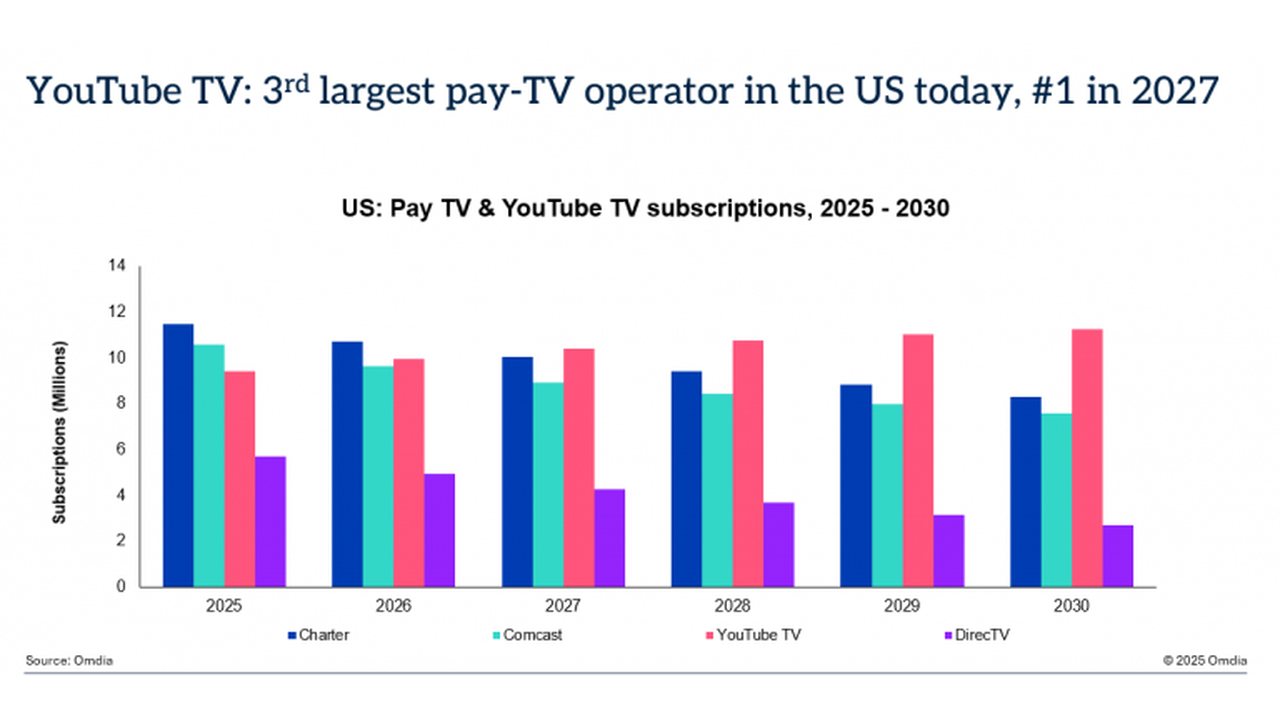
Analytics firm Omdia predicts a historic transformation of the U.S. pay-TV market: YouTube TV is on track to surpass traditional operators Charter and Comcast, becoming the largest pay-TV provider in the country by 2027.

Adobe and YouTube Shorts have announced a partnership aimed at simplifying and accelerating content creation and distribution. As part of the agreement, Adobe will integrate its Premiere video editors into the Shorts ecosystem.

According to forecasts by Crisil Ratings, India’s direct-to-home (DTH) satellite TV operators will continue to lose revenue, but the decline is expected to slow to 3–4% (compared with 5% last year).